Find Samples
To add to your samples basket, simply navigate to a product you're interested in, select the colour you like and press the + icon on an empty sample slot.
If your kitchen or bathroom tiles are looking a bit tired or outdated, vinyl is an affordable and quick way to give your room an instant update. With so many designs and effects to choose from, including herringbone vinyl, you can get a completely new look. But do you need to need to remove the old tiles first or can you lay vinyl over tiles? We’ll answer these questions and explain the key things you need to do before installing your new vinyl flooring.
In this guide:
The short answer is yes; you can install vinyl over tiles and felt-backed vinyl is the best option for this. However, the condition of the tiles and the size of the grout lines will affect how the vinyl looks over time. Without adequate preparation, the grout lines will start to show through the vinyl as it’s walked on, which is known as telegraphing.
You should only install vinyl on top of a surface that’s structurally sound, clean, dry, and level. Our subfloor guide explains what you need to look out for.
To level out the surface of the tiles before installation, apply a non-absorbent primer and smoothing compound to fill any deep grout lines to leave a smooth, flat surface ready for installing any flooring on top.
Laying vinyl over existing tiles seems like a good way of saving yourself time and money while avoiding lots of mess and dust. But there are a few instances where it’s not a good idea to fit vinyl flooring on top of tiles:
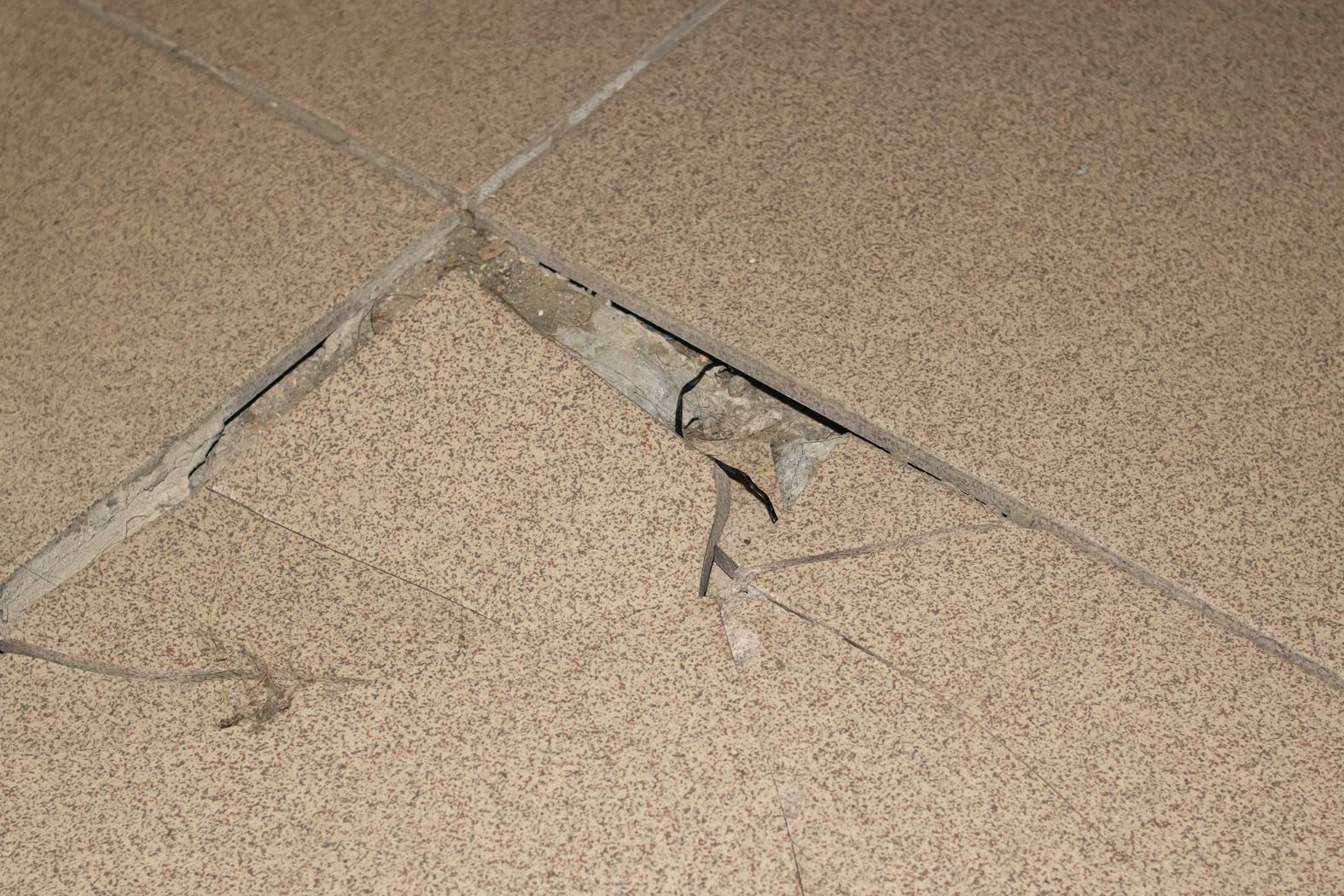
If any tiles are broken, they will show up as lumps and bumps underneath the vinyl and could even pierce a hole in it. You’ll need to remove any badly damaged, loose or cracked tiles first, then apply a smoothing compound to create an even, solid subfloor.
Badly installed or poorly made tiles that are wonky can cause issues. There’s lippage, where the edge of one tile is a different height to the next, and high grout lines, which happen when there’s too much grout and it spills over above the tile. Too many height variations across the surface needs subfloor prep before the vinyl can be laid.
When there’s been water damage or moisture issues, it’s not a good idea to lay anything on top of the tiled floor. This will cause moisture to get trapped underneath, leading to mould and damp. Make sure the floor is dried out first – if it still feels wet or smells musty, you’ll rectify the underlying damp issues, which might mean removing the tiles.
Vinyl is a versatile, water resistant floor that comes in a few different types and can be installed in several different ways, as explained in our vinyl buying guide. As long as the tiled floor meets the good subfloor checklist and you follow our guide below to prep it correctly, you could lay any of these vinyl floorings on top:
A thick felt-backed vinyl would obscure minor subfloor irregularities at first but over time, grout lines could become visible. You also need to be careful if you’re installing click LVT - if a join falls on a grout line, there'll be nothing to support it underneath and it could cause the floor to fail.
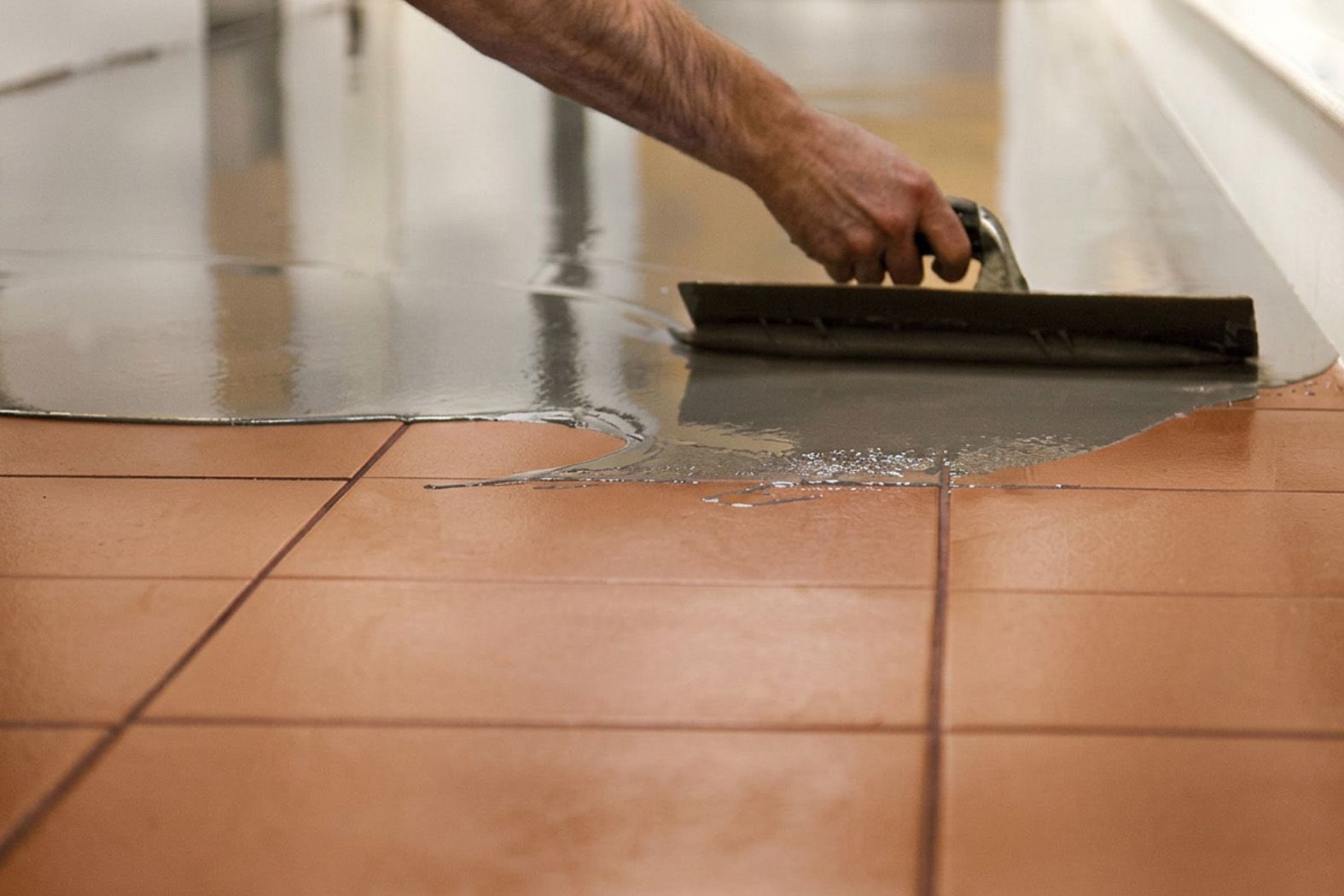
Although you’re saving yourself loads of time by not removing your tiled floor, you still need to prep the ceramic tiles ready for fitting your vinyl flooring. Our guide follows the same steps as how to prepare concrete floor for vinyl flooring – just remember to leave enough drying time before laying your vinyl on top.
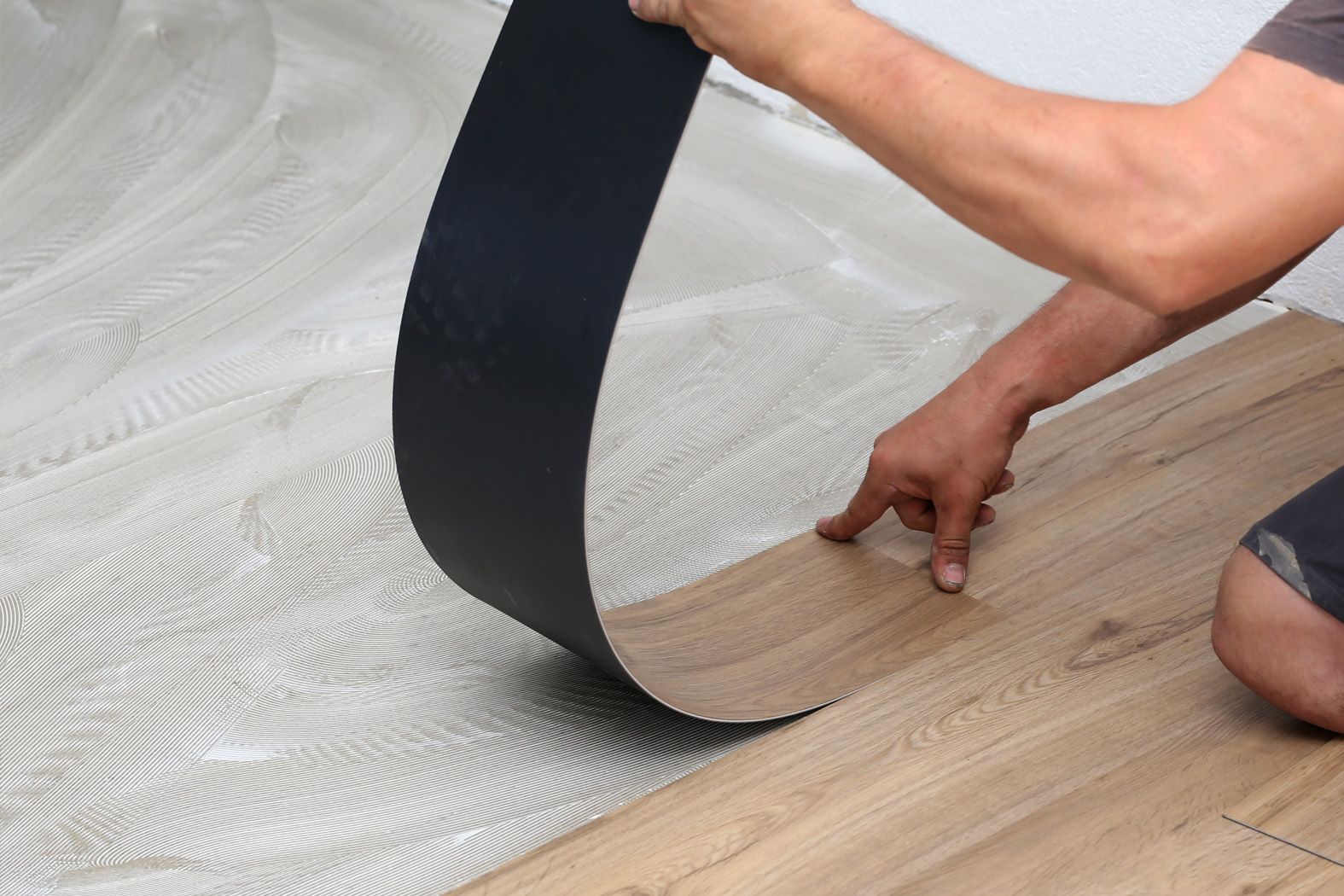
It depends on the condition of the tiles. If the majority are damaged and you end up removing a large proportion of tiles, then you might as well remove the whole lot! If you decide to lay your vinyl flooring on top of tiles but you don’t follow the correct subfloor preparation, tile grout lines and textured finishes can show through over time. But if your tiles are in good condition and you follow the correct subfloor prep, then there’s no need to remove them before laying vinyl.
Yes, you can lay vinyl over tiles with underfloor heating, but there are a few things to bear in mind. All our vinyl flooring can be used with underfloor heating, as it has a low tog rating, which means heat passes through easily. However, you’ll need to make sure that your floor temperature stays below 27 degrees as a higher temperature can melt the glue or warp the vinyl. Remember, the tiles underneath will retain heat and, depending on the tile thickness, the layers on top of the underfloor heating could exceed the maximum tog recommendation.
Wondering can you put vinyl over vinyl? The answer is no – you should never lay vinyl on top of another floor covering. The best thing to do is to remove your old vinyl flooring first and scrape off any glue before checking your subfloor and prepping where needed. When you let Tapi arrange your fitting, we can also sort out removal and disposal of your old flooring at the same time – just ask one of our floorologists in store about this extra service.
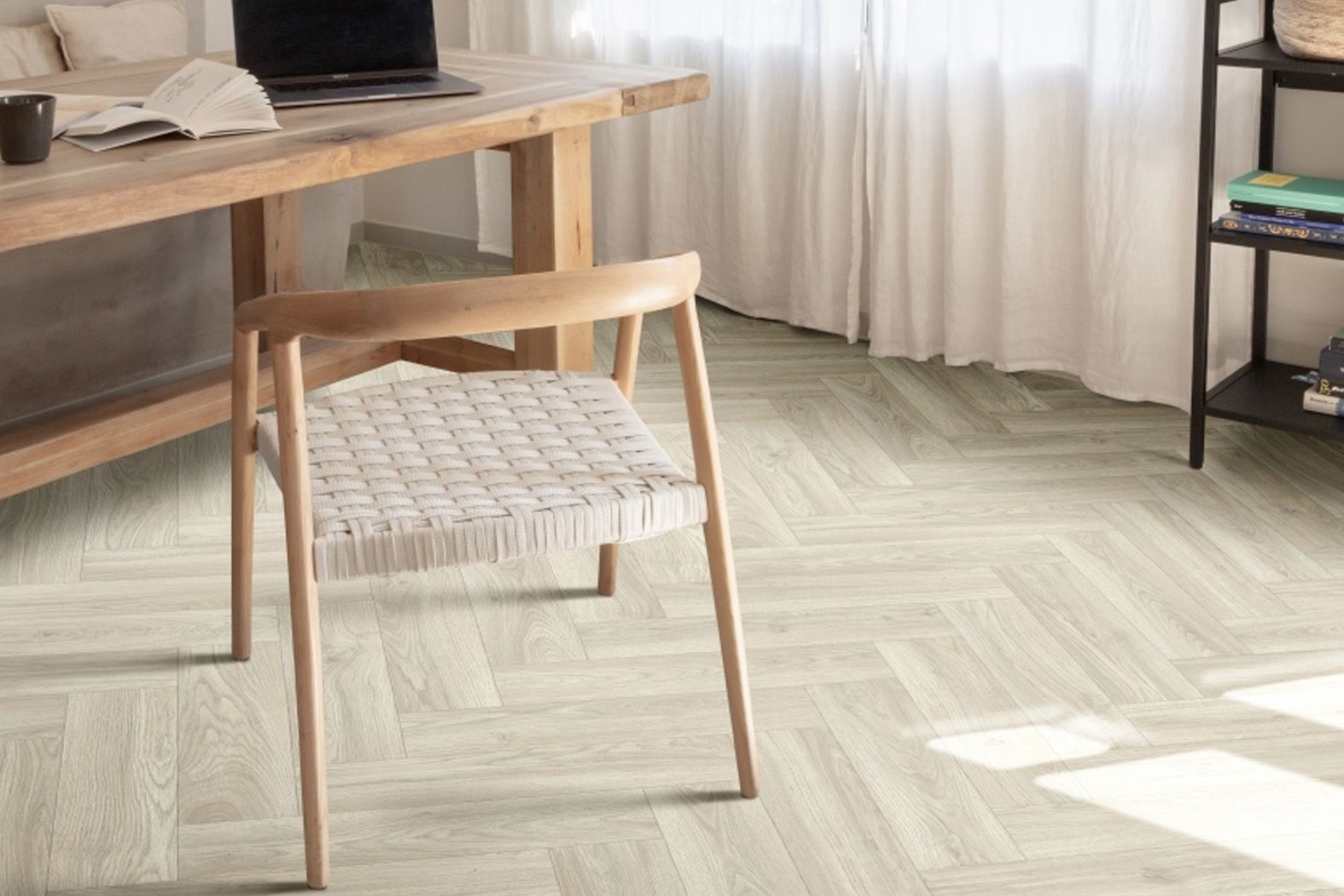
There’s a little prep work needed before you can lay vinyl on floorboards. Original wooden floorboards in older properties will often have small gaps between each plank and some of the boards may have bowed over time so they could be uneven. To ensure the best installation for vinyl, you'll need to install plyboard over the wooden floorboards first, rather than laying vinyl flooring on floorboards directly. This provides a level surface and allows the vinyl adhesive to bond properly.
We wouldn’t recommend laying carpet over tiles because if the ceramic tiles crack, the carpet gripper can come loose and cause fitting issues. And when you add a thick underlay plus carpet on top, the floor height would be much higher than before, which could affect connecting rooms and thresholds. It’s much better to remove the tiles, prep the subfloor properly, and then install underlay and carpet.
If you want the look of a new tiled floor but don’t want the renovation drama, our vinyl flooring has plenty of designs to choose from including tile-effect vinyl, plus it’s very easy to install. Pop along to your nearest Tapi store to chat to a floorologist about our vinyl collections or book a free home visit online and we’ll bring samples of our gorgeous vinyl to try.

Published: 07-09-2026

Hold tight! We're getting your results

Did you know...
You can book a FREE home visit?