Find Samples
To add to your samples basket, simply navigate to a product you're interested in, select the colour you like and press the + icon on an empty sample slot.
Whether you want to completely overhaul the kitchen or simply spruce up the bathroom, vinyl flooring is a practical, durable and stylish addition to any room in your house. Read more
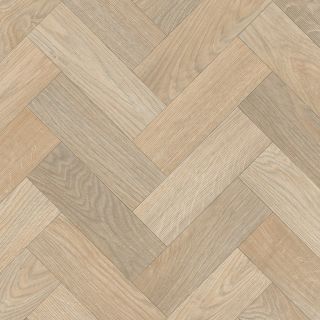

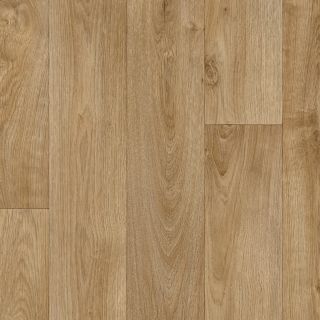

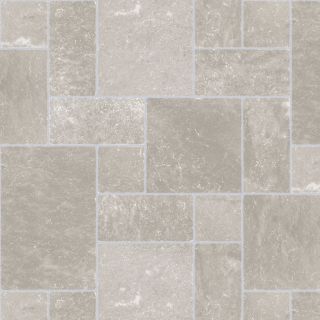

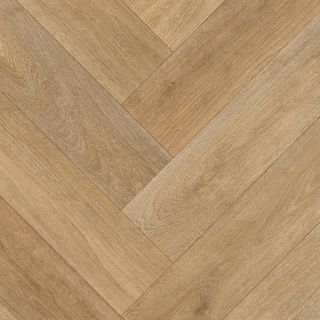
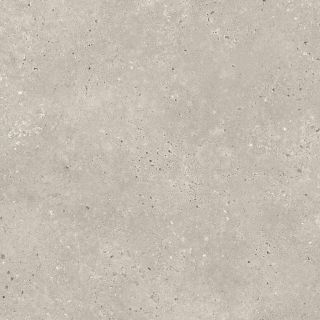
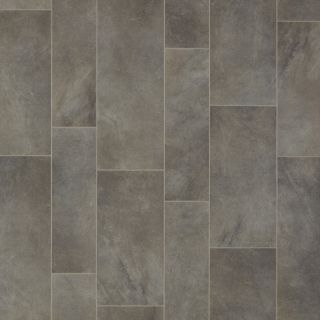
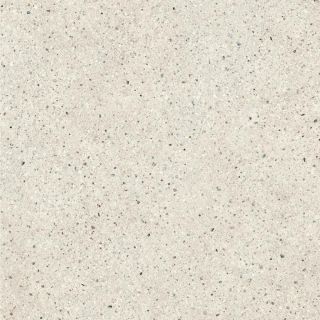
Samples
colours available

Vinyl flooring can vary in thickness depending on whether it includes cushioned felt backing. Felt-backed vinyl tends to be around 2mm to 4.5mm thick, whereas foam-backed vinyl thickness ranges from 1.9mm to 2.8mm.
However, the durability of the vinyl flooring depends on the wear layer thickness. This is usually around 0.2mm for domestic use but can go up to 0.4mm for commercial spaces.
To clean vinyl flooring, start by sweeping or vacuuming any loose dirt and debris. Then, use a damp microfibre mop or cloth with a pH-neutral cleaning solution to remove stains. You can also use warm water and a few drops of washing-up liquid. For more details, check out our vinyl flooring care guide for our top tips.
Nowadays, when most people say, ‘lino flooring’, they really mean ‘vinyl flooring’. Lino was the original sheet flooring on a roll, made from natural materials. Traditional linoleum flooring needs to be resealed frequently to make it water resistant and it can bubble or warp in humid spaces. Vinyl flooring, on the other hand, is made from PVC layers, offering built-in water resistance and even better durability. Our vinyl vs lino guide has a handy table that highlights the differences between the two flooring types.
Vinyl flooring can be fitted in two ways: loose lay or fully stuck. The type of vinyl and the type and size of the room will dictate which fitting method you use. You can learn more with our guide on how to fit sheet vinyl. If you’re not confident in your DIY skills, we can arrange fitting with professional fitters - just request this service when you place your order.
The best thing about fitting vinyl flooring is that it doesn't need underlay; instead, you spray adhesive around the edges of the vinyl (loose lay) or use spread adhesive on the subfloor itself (fully stuck) to fix it into place. One can of spray adhesive covers approximately 10sqm.
To cut vinyl, you’ll need a sharp utility knife and a straight edge to score against. Cut along the crease, holding the knife at a slight angle as you go. When you get to the corners, cut down the edge of the vinyl to the floor, then carefully trim away any excess, leaving 50-100mm turned up at the skirting boards.
Just because you can paint vinyl flooring, doesn’t mean you should! It’s not recommended as a long-term solution as the smooth surface means the paint is likely to peel and chip within a year or two. If you do want to refresh a low-traffic area with paint, you’ll need to clean the vinyl thoroughly with a degreasing cleaner, sand the surface, apply a bonding primer then two layers of durable floor paint, plus a sealant to protect the paint underneath. The easier, less messy and longer-term option is to replace your old vinyl with brand new vinyl flooring in a style and colour you love.

Hold tight! We're getting your results

Did you know...
You can book a FREE home visit?

Trouble finding the right one?
Book a FREE Home Visit - we'll bring all the samples to you, hassle-free.
No thank you I'll keep looking