Find Samples
To add to your samples basket, simply navigate to a product you're interested in, select the colour you like and press the + icon on an empty sample slot.
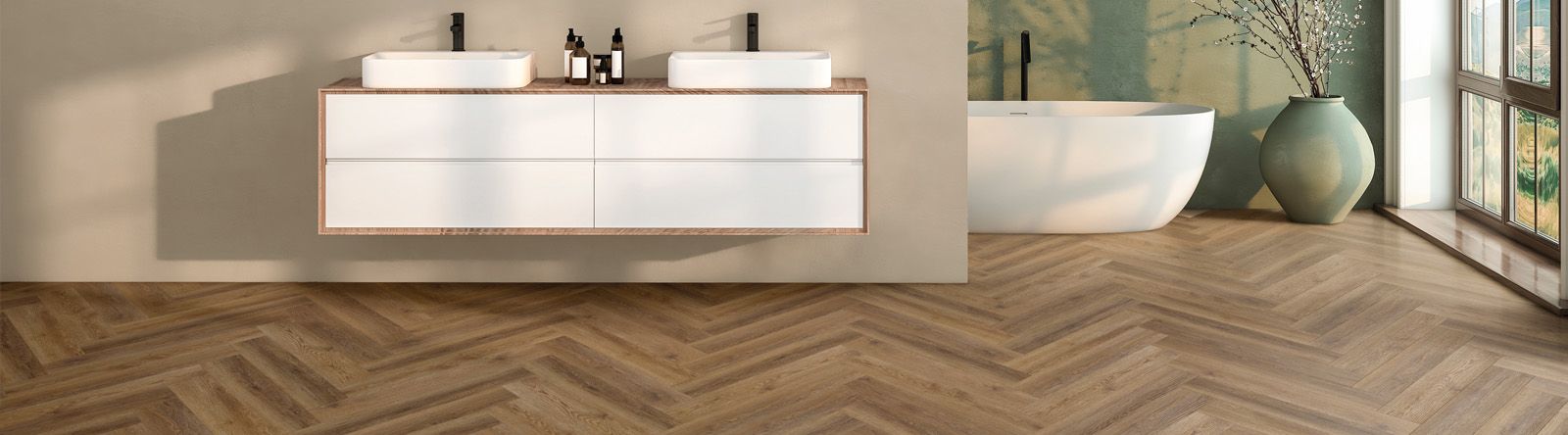
If you’re looking for flooring that’s warm, welcoming and works in both modern and traditional interiors, engineered wood is a good choice. But is a real wood floor right for your lifestyle? Would you prefer a wood-look floor that’s more practical and easier to care for, like wood-effect luxury vinyl tiles (LVT)? In this guide, we’ll look at the pros and cons of engineered wood vs LVT, and compare key features to help you decide which one is better suited to your home.
In this guide:
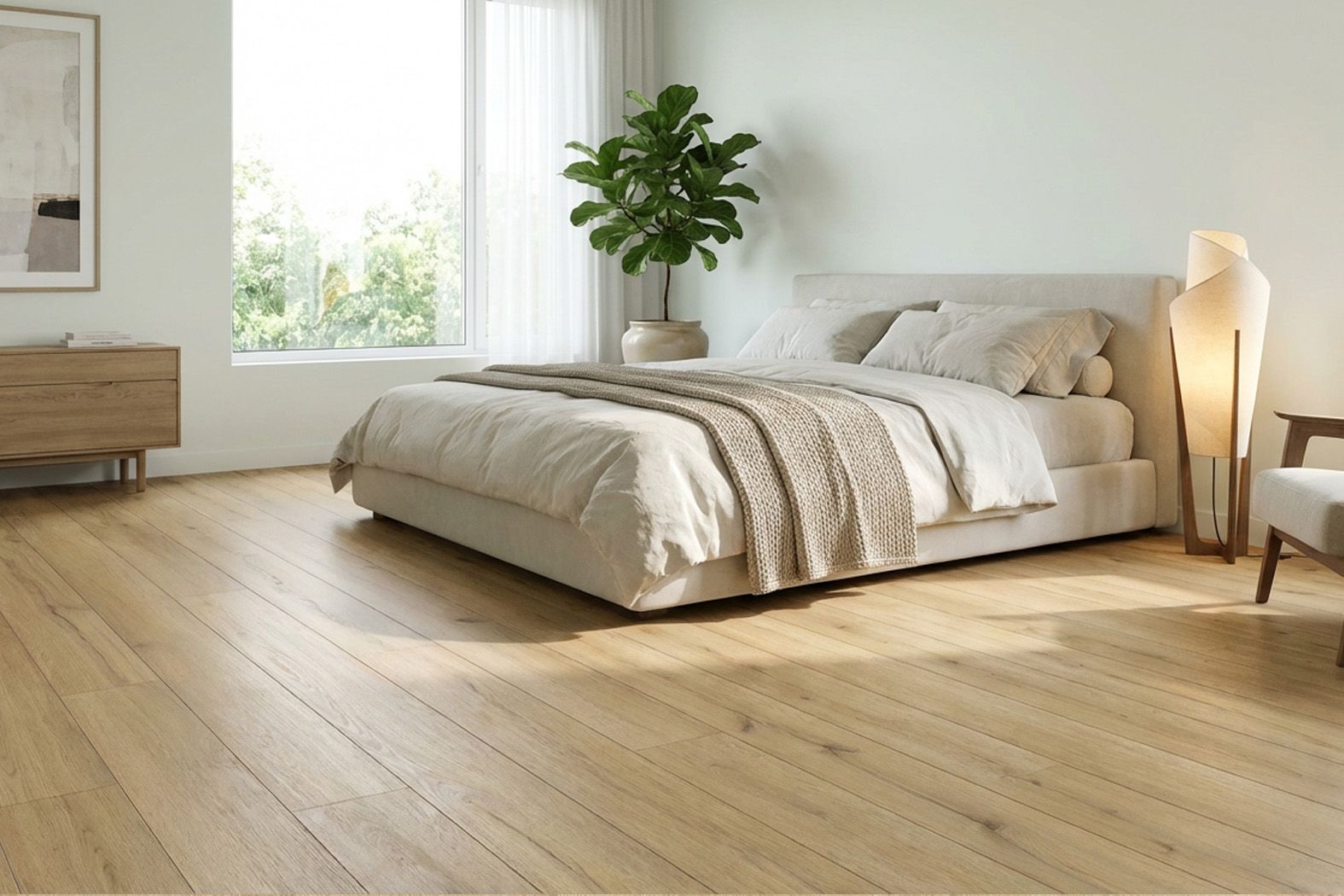
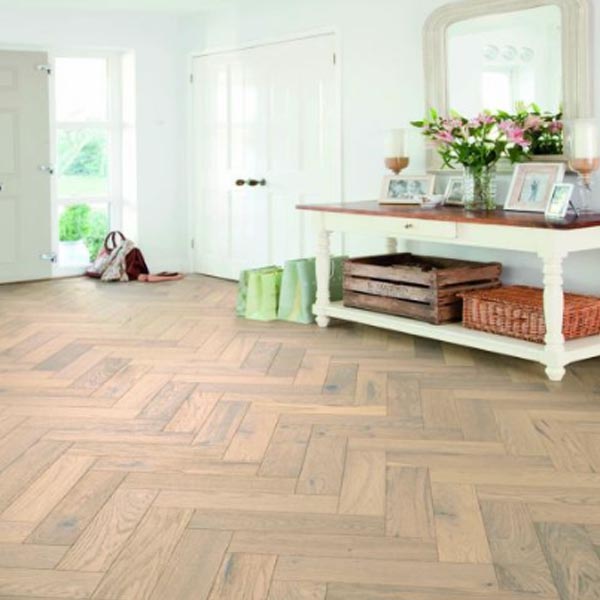
Engineered wood and luxury vinyl tiles are premium flooring types, often chosen for hallways or open plan kitchens because of their strength, durability and high-end finish. They both come in a plank format, both can provide that wood look and feel, and both promise to last a really long time.
There are a few ways in which engineered wood and luxury vinyl differ.
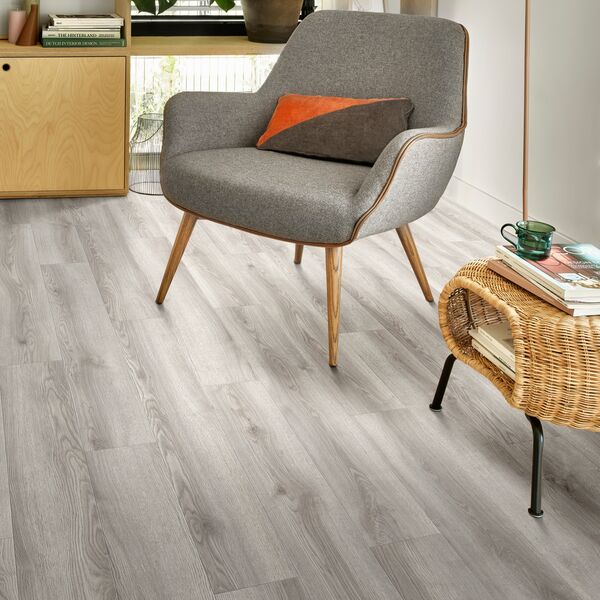
LVT is a type of smooth flooring that imitates the look and feel of real wood or stone. Each luxury vinyl tile or plank is made up of multiple layers, resulting in a smart and stylish floor with super strength and durability, as well as stain, slip, and water resistance. We call it a wonder floor!
It comes in two types: glue down or click fit.
Glue Down
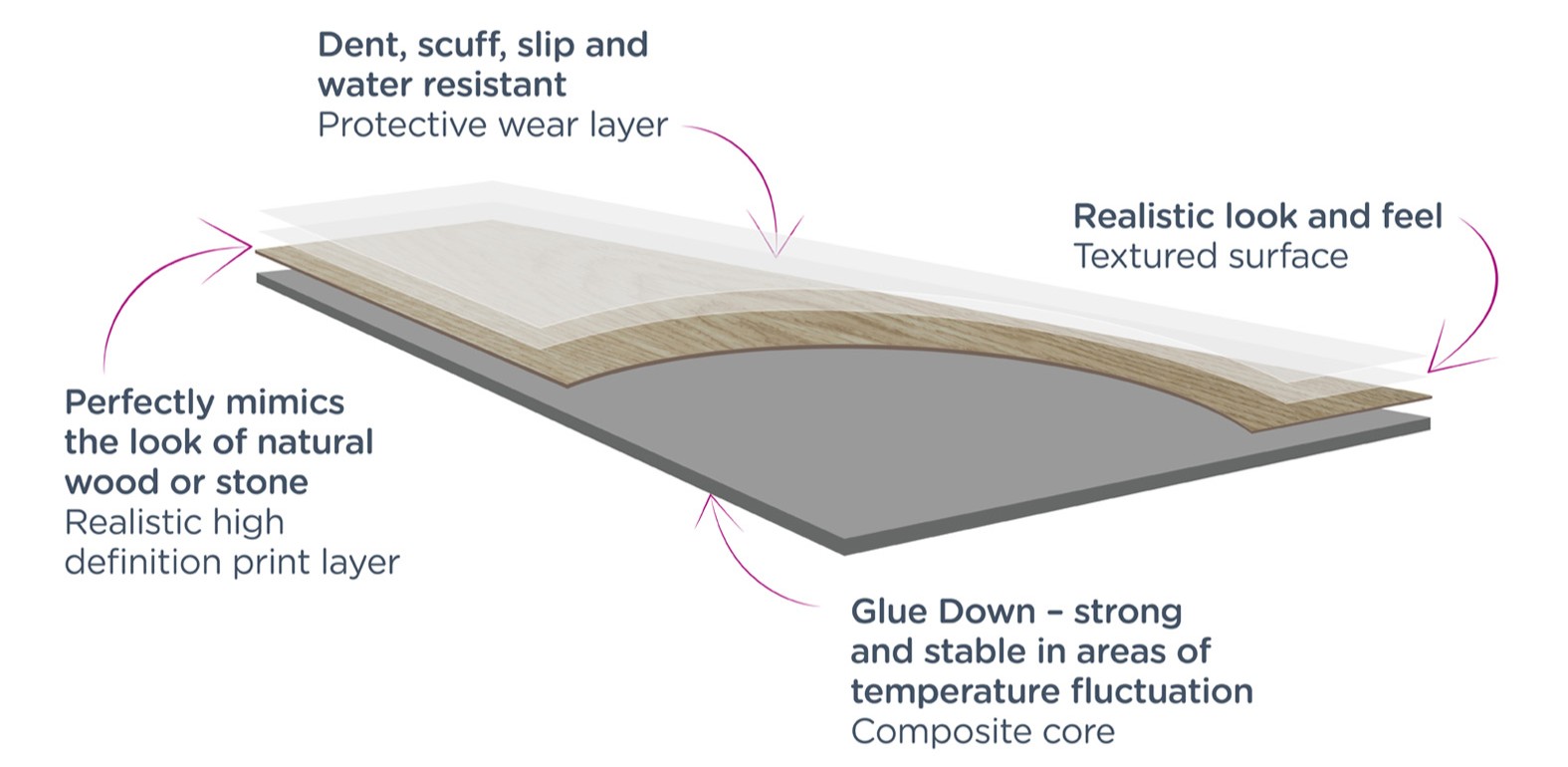
Click Fit
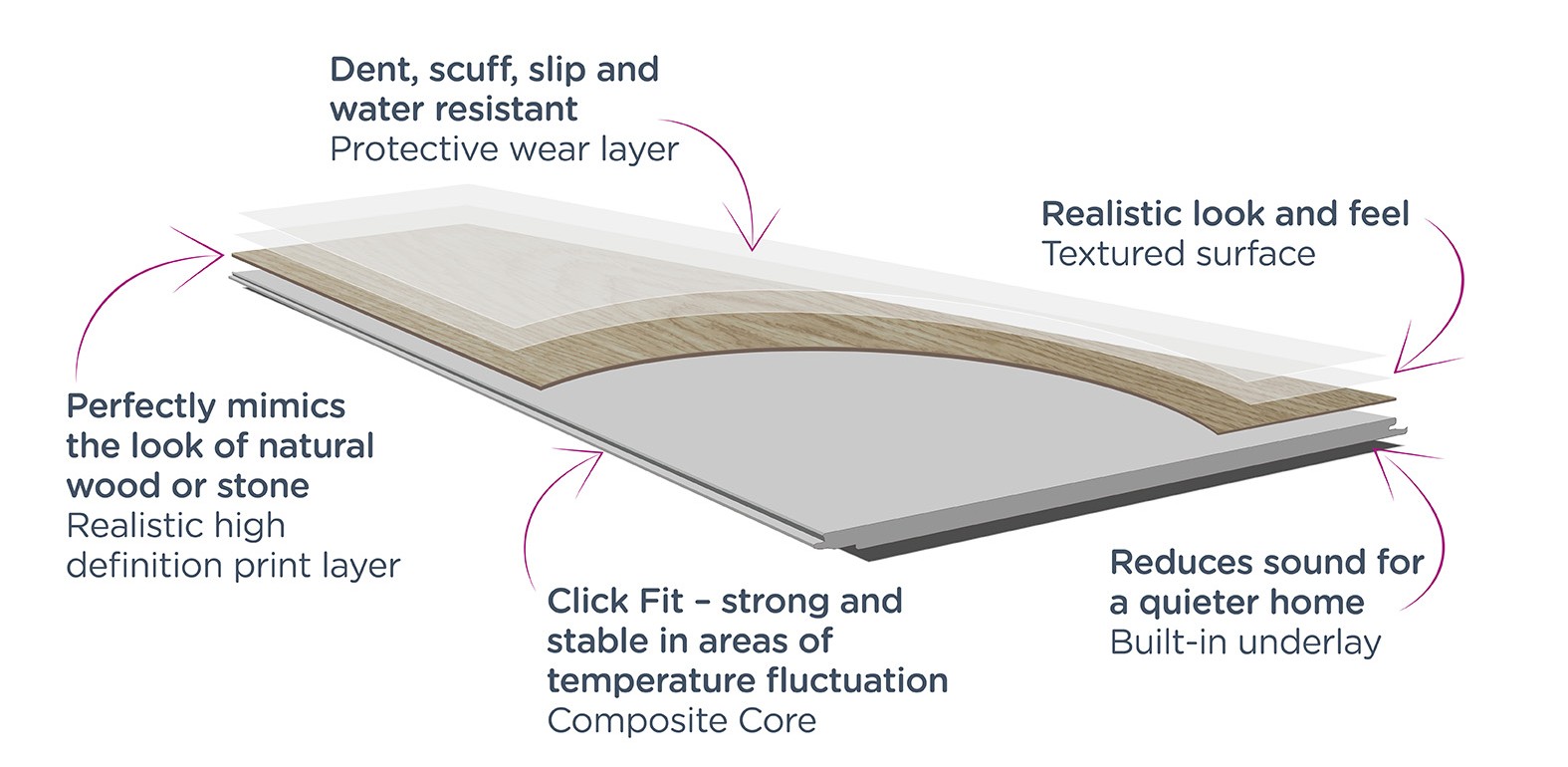
Learn more about luxury vinyl in our dedicated guide: What is LVT?
Pros:
Cons:
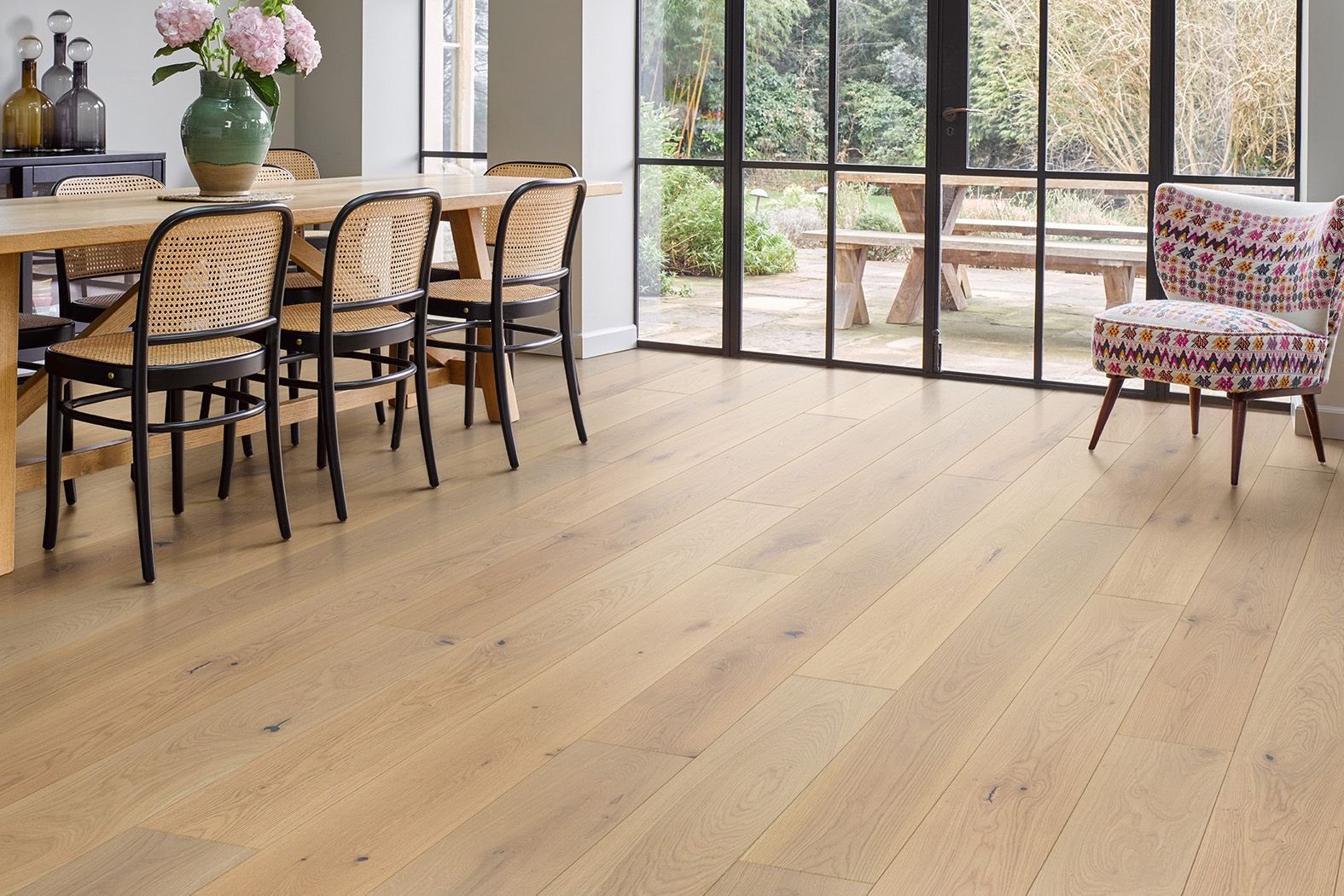
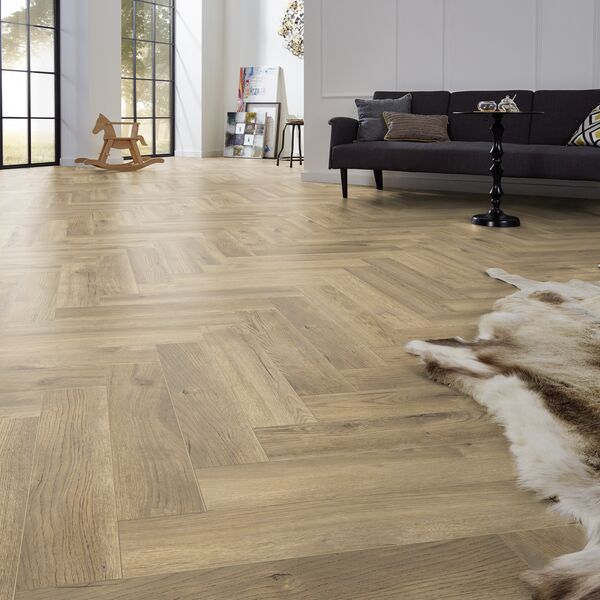
Engineered wood features a multi-layer or plywood core with a solid hardwood top layer, usually sustainably sourced oak. This makes it cheaper than a hardwood floor because it uses less real wood, and the engineered core is stronger and less susceptible to moisture and temperature changes.
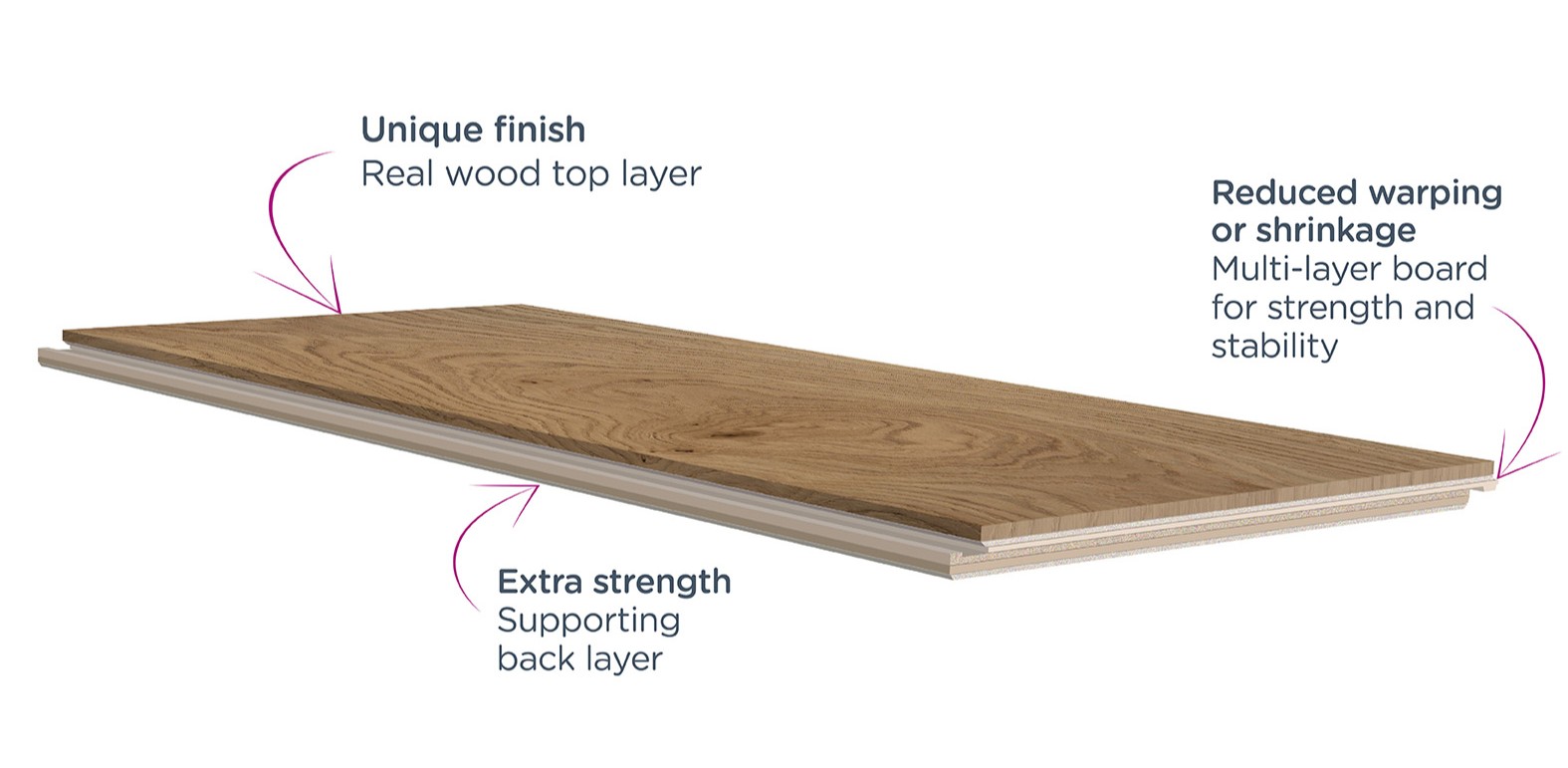
You can find more information on engineered wood in our guide: What is engineered wood flooring?
Pros:
Cons:
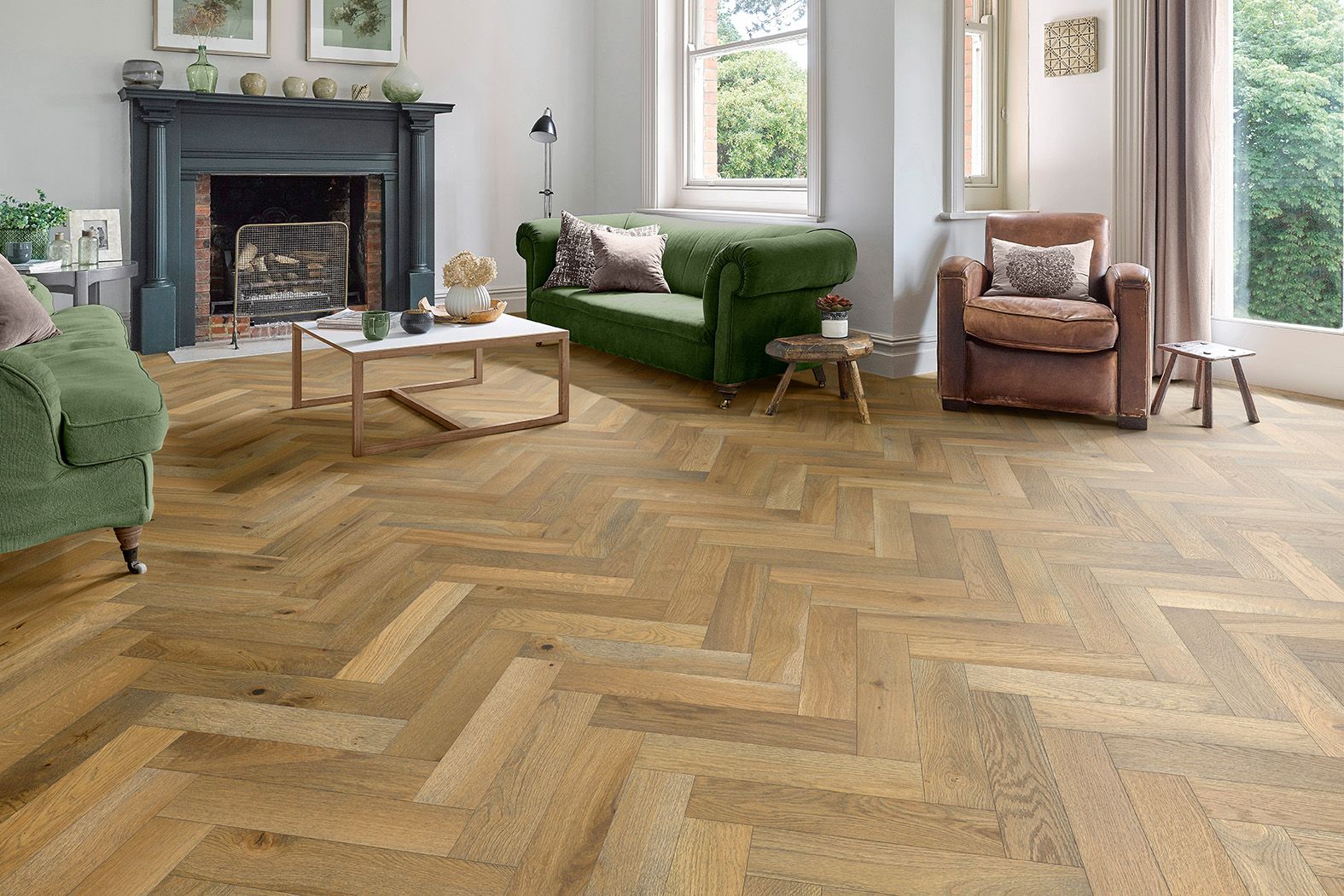
In the battle between LVT vs engineered wood, sometimes cost is the deciding factor. Engineered wood is more expensive than LVT but is usually cheaper than solid hardwood. Luxury vinyl often costs more than other wood-look flooring types – however, premium luxury vinyl brands like Karndean LVT still cost less than top-of-the-range engineered wood. While the initial outlay can be expensive, both LVT and engineered wood have long wear guarantees, so you need to bear that in mind.
Fitting costs are another thing you need to budget for when considering either LVT or engineered wood. Engineered wood fitting costs start from £26 per square metre for straight planks, and it goes up for herringbone engineered wood. LVT fitting costs start from £15 per square metre for click LVT and £17.50 for dryback LVT, and it’s even more if you’re having herringbone LVT installed. You also need to make sure your subfloor is up to standard for both wood and LVT – and this is something we can arrange at Tapi.
We’d always recommend professional fitting for the best results, but if you’re an experienced DIYer keen to try installing flooring, we have plenty of fitting guides in our Ideas Hub.
If you’re still struggling to choose between LVT and engineered wood, make a note of your main priorities and see which flooring type ticks the most boxes.
|
|
Luxury vinyl |
Engineered wood |
|---|---|---|
|
Price |
£20-£80 per m2 |
£50-£115 per m2 |
|
Lifespan |
15-25+ years |
20-40+ years |
|
Construction |
Rigid SPC or flexible LVT plank made from PVC layers with a wood-look design layer and tough wear layer |
Hardwood top layer with plywood core |
|
Durability |
Shorter lifespan than engineered wood, but very hardy with a scratch resistant protective layer |
Longer lifespan than LVT, but can be more susceptible to scratches and moisture |
|
Maintenance |
Easy to clean with a broom and damp mop |
Easy daily care but depending on the finish, needs to be treated regularly with oils |
|
Refinishing |
Can’t be refinished |
Can be refinished 1-3 three times, depending on the veneer thickness |
|
Installation |
Click fit (rigid SPC) or stick down (glue down or dry back LVT) |
Click fit or tongue and groove |
|
Underfloor heating |
Yes |
Yes (for planks under 15mm thick) |
|
Water resistant |
Yes |
No |
|
Look |
Uniform - the high-quality photographic layer has a repeating pattern |
Rustic - the real wood top layer features natural knots, pin holes and grains |
|
Sustainability |
Made from PVC or SPC so not eco-friendly |
Made with sustainably sourced wood |
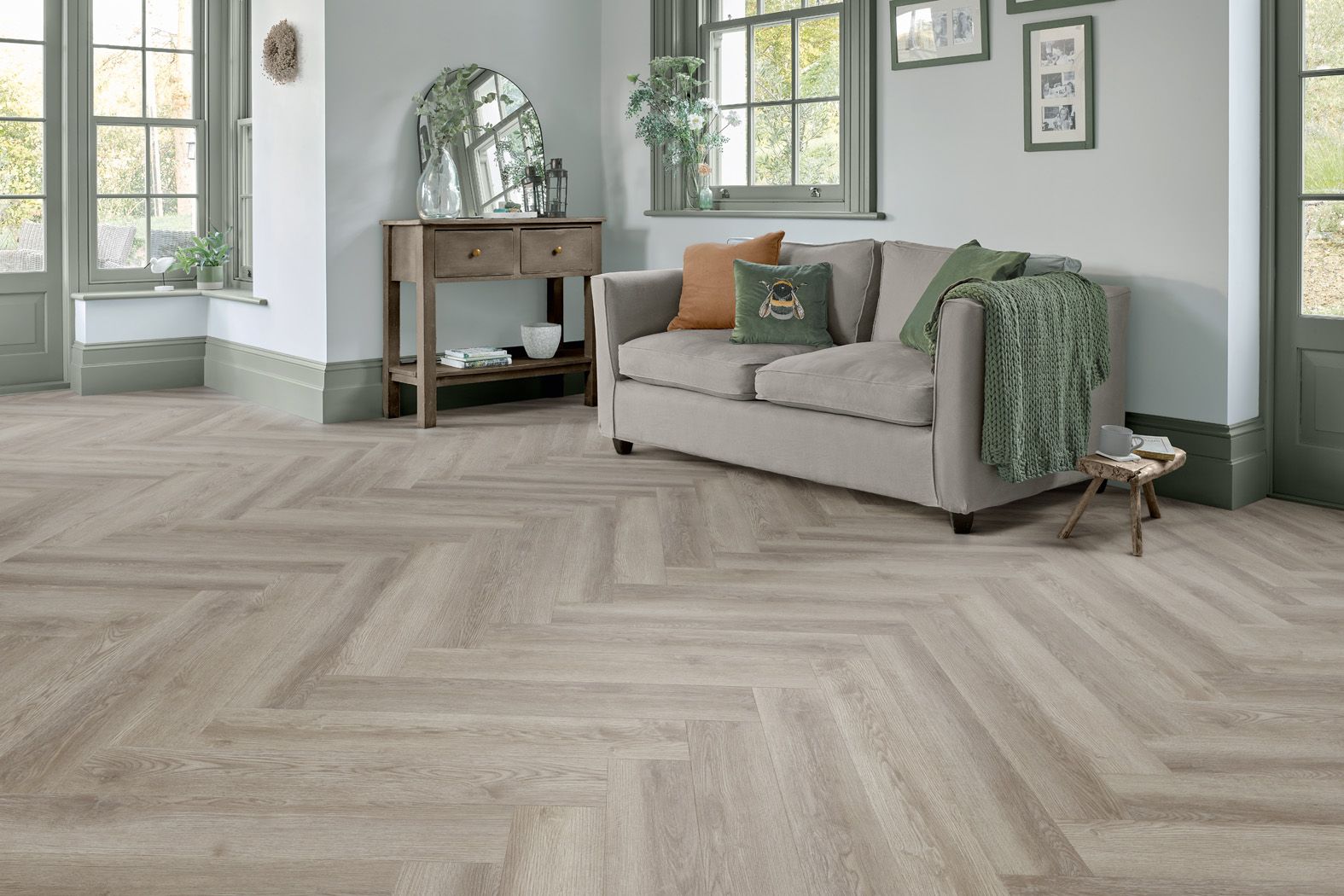
Need more guidance from flooring experts to help you decide between luxury vinyl and engineered wood? Book a free home visit or head to your local Tapi store to compare samples and talk to our floorologists. We’ve got so many different styles in our flooring collection to suit a variety of lifestyles and budgets, and together, we’ll find the perfect match for your home.

Published: 19-08-2026

Hold tight! We're getting your results

Did you know...
You can book a FREE home visit?