Find Samples
To add to your samples basket, simply navigate to a product you're interested in, select the colour you like and press the + icon on an empty sample slot.
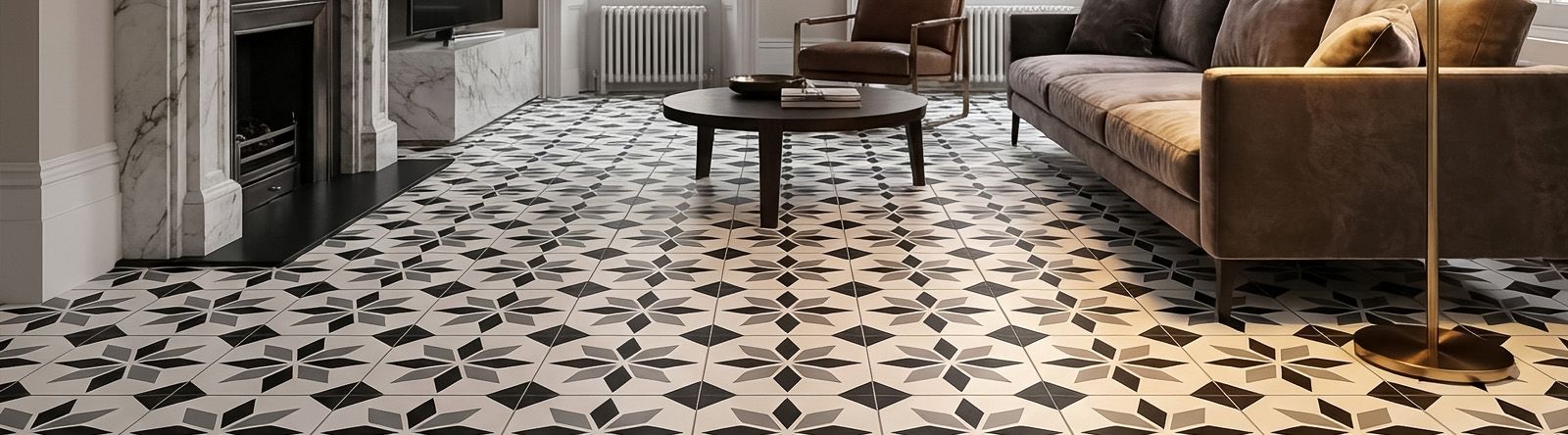
Vinyl and lino are two popular flooring options that have been around for decades. They have both proven to be durable and affordable, making them excellent choices for many homeowners. However, although some sellers use the terms interchangeably, there are distinct differences between these two flooring types.
In this guide, we’ll explore what vinyl and linoleum flooring are, the benefits of both vinyl and lino, which rooms they are best suited for, and ultimately answer the question of which is better: vinyl or lino? Let’s jump into it.
In this guide:
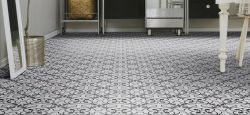
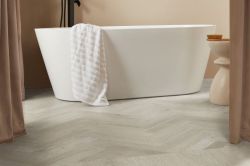
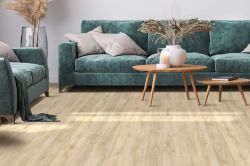
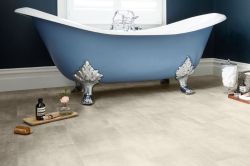
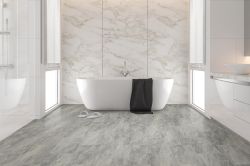
Vinyl and lino are very similar materials in that they are both commonly used as durable flooring options. They are designed to be hard-wearing, easy to clean, and resistant to moisture, making them popular choices for kitchens, bathrooms, and other high-traffic areas in homes and commercial spaces. Both materials are also available in a wide range of colours, patterns, and finishes, allowing them to mimic the appearance of natural materials like wood or stone.
In addition, vinyl and lino share practical benefits such as being relatively affordable compared to other flooring types and offering a comfortable, slightly cushioned surface underfoot. They are also typically installed in sheets or tiles, making them versatile and straightforward to fit.
However, when it comes down to it, vinyl and lino differ in several key areas.
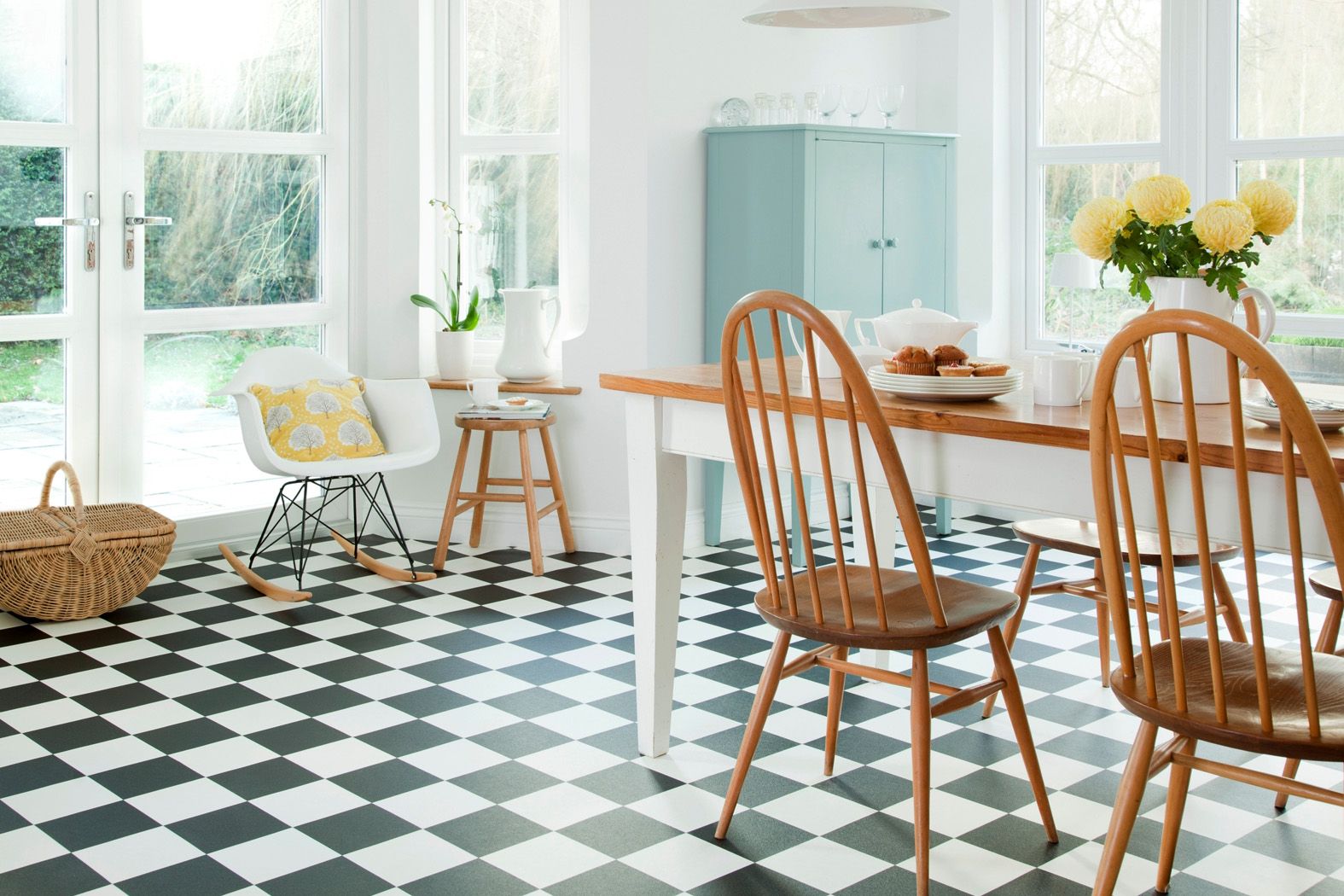
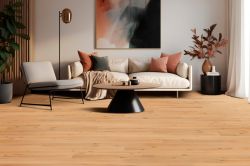
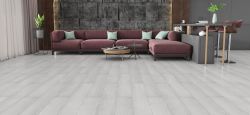
Vinyl flooring is made from synthetic materials in multiple layers, including a wear layer, printed design layer, and a backing layer. The wear layer is a protective surface that provides excellent resistance to scratches, stains, and fading. The printed design layer can replicate the look of wood, stone, and tile.
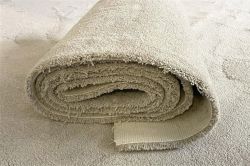
Vinyl flooring is available in sheets, similar to carpet, making it flexible and easy to install. It can come in a variety of thicknesses, making it really comfortable under your feet in every room. There are a few ways it differs from carpet, and you can find these differences in our vinyl flooring vs carpet guide.
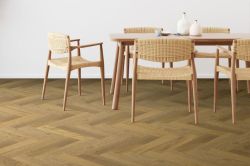
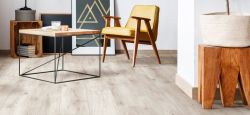
There is also a version of vinyl flooring called luxury vinyl tiles, or LVT, that can come in tiles and planks. You can find out more about the ins and outs of sheet vinyl in our guide to ‘What is vinyl?’ which is packed with helpful information.
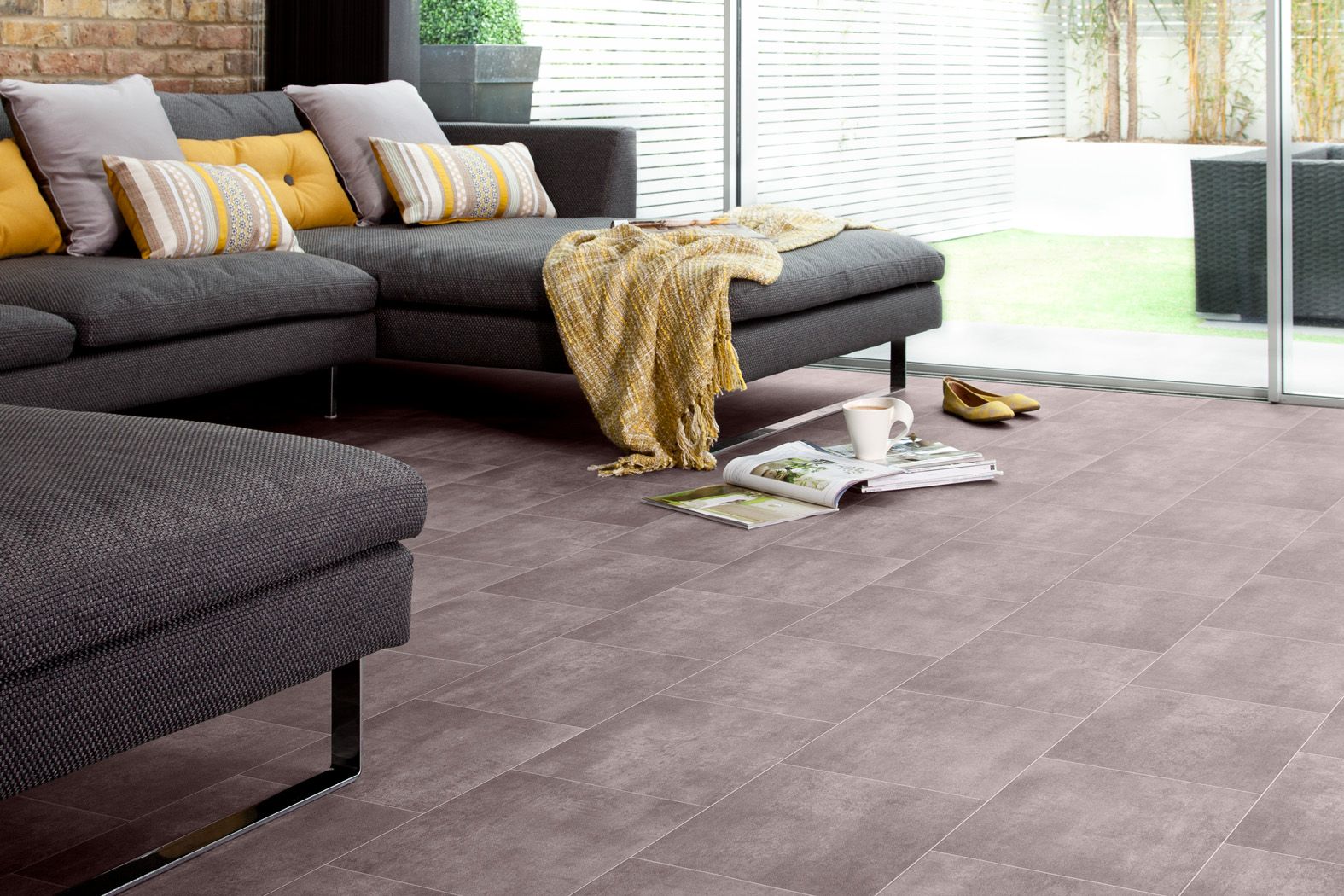
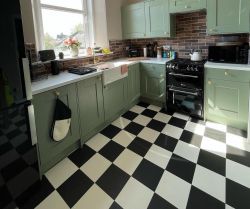
Linoleum flooring, commonly referred to as lino, is a natural flooring option made from linseed oil, resins, and natural materials such as wood flour, cork dust, and limestone. It's been around since the 19th century, which is why it's still made using these traditional materials. Lino is available in a range of plain colours and simple patterns, and the design runs all the way through. It comes in sheet form, so it’s a cost-effective option for larger rooms.
As a rule, vinyl is often cheaper than lino, but they are both still cheaper options than hardwood, stone, or tiled flooring and offer great value for money.
The reason lino is more expensive is due to it being sourced from natural materials which raises production costs. It also often requires professional installation, which can raise the price higher.
Vinyl generally has lower upfront costs and comes in a wide range of budget-friendly options. It’s also much easier and cheaper to install.
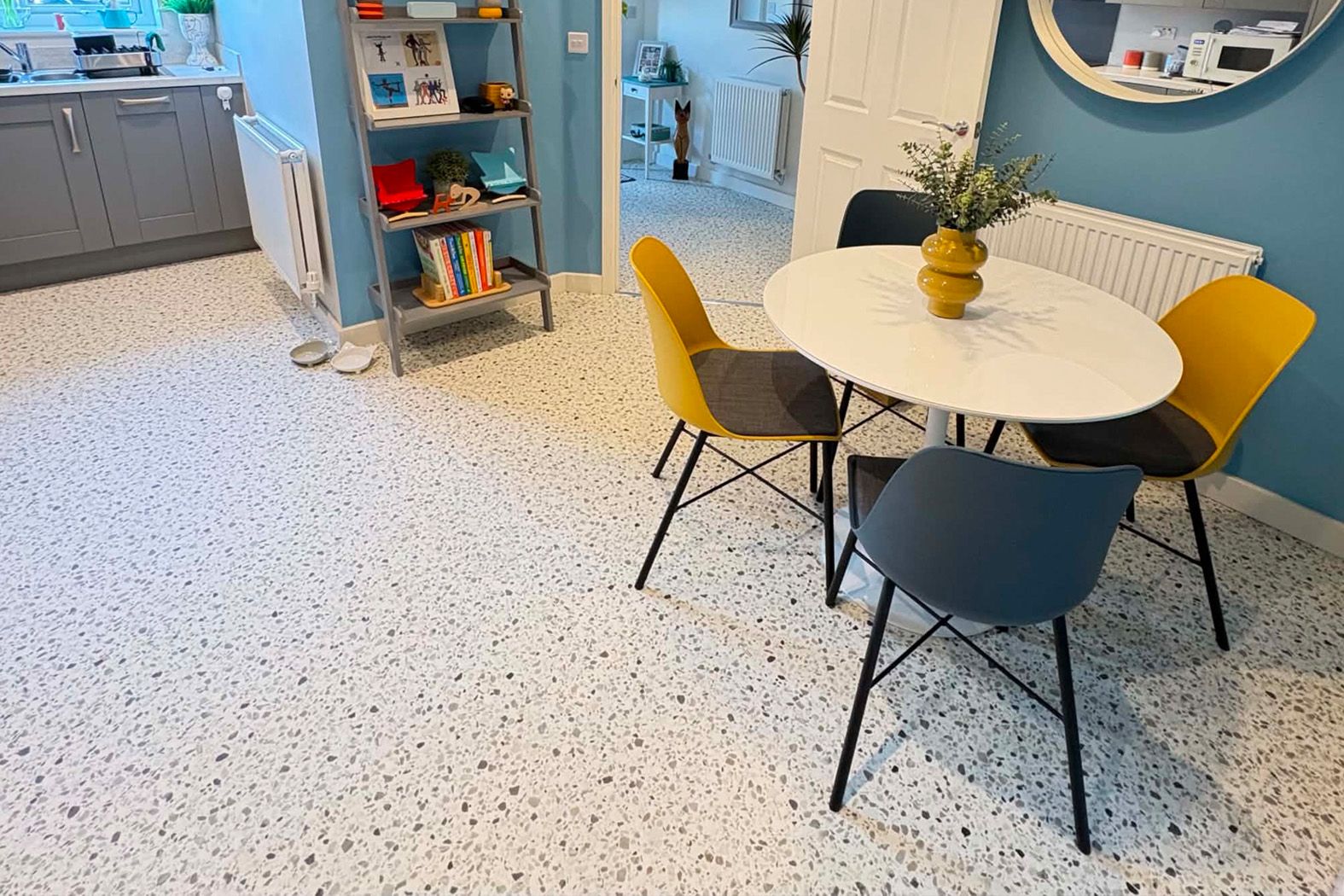
If you’re still unsure whether vinyl or lino will be the best fit for your home, then check out our comparison table below:
|
|
Vinyl |
Lino |
|---|---|---|
|
Price |
£10 to £35 per m2 |
£25 to £50 per m² |
|
Durability |
Resilient, long-lasting and water resistant, with a protective wear layer, can last 10-20 years |
Highly durable, capable of withstanding heavy foot traffic and everyday wear for many years when properly maintained |
|
Maintenance |
Easy to clean with a soft-bristled broom and damp mop |
Needs regular resealing to keep it stain and moisture resistant |
|
Installation |
Professional fitting is recommended but can also be DIY-installed |
Requires careful, professional installation to achieve the best results |
|
Look |
Huge selection of patterned or plain designs that imitate wood, tile, marble and stone |
Offers a natural, matte finish with rich colours and subtle patterns that give it a warm, classic, and slightly softer look compared to synthetic flooring options |
|
Sustainability |
Long lifespan, low VOC (volatile organic compound), and largely recyclable |
Made from natural, renewable materials and designed to be biodegradable at the end of its life |
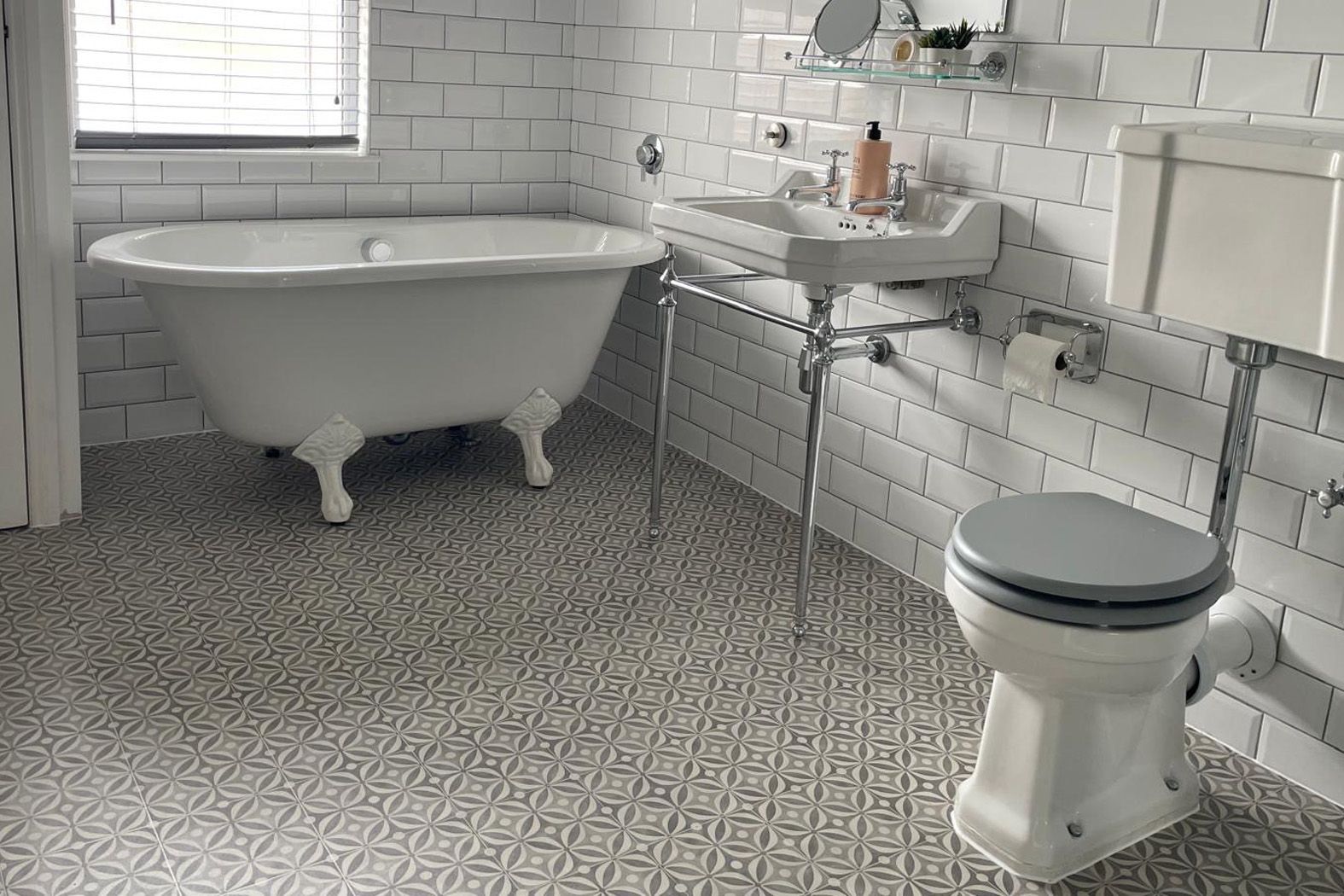
Ultimately, the decision will come down to your personal preferences, your room's purpose, and your budget. If you’re looking for a water resistant, low-maintenance and low-cost flooring option for busy areas of your home, vinyl is the better and more contemporary choice. However, if you want simpler designs and an eco-friendly, naturally antibacterial flooring option that often has better long-term value, then lino will be perfect for you.
If you're considering vinyl flooring for your home, we have an extensive collection of vinyl and luxury vinyl flooring that's sure to meet your needs. From stylish designs to practical durability, our range of vinyl flooring has it all. Visit your local Tapi store to see the selection for yourself. Our floorologists are happy to talk you through our incredible collections and explain why vinyl might be the best pick for you!

Published: 23-03-2023
Last reviewed: 22-06-2026
 copy-250.jpg)
-250.jpg)

 - Article Image (not header)-250.jpg)











-250.jpg)

-250.jpg)
-250.jpg)
 (2)-250.jpg)
 (2)-250.jpg)
-250.jpg)
-250.jpg)
-250.jpg)
-250.jpg)

-250.jpg)
-250.jpg)

-250.jpg)
-250.jpg)
-250.jpg)
-250.jpg)
-250.jpg)
-250.jpg)

-250.jpg)









 (1)-250.jpg)
-250.jpg)


-250.jpg)

-250.jpg)
-250.jpg)
-250.jpg)


Hold tight! We're getting your results

Did you know...
You can book a FREE home visit?