Find Samples
To add to your samples basket, simply navigate to a product you're interested in, select the colour you like and press the + icon on an empty sample slot.
If you’re looking to buy a property or you’re just about to move into your new home, you might be thinking about renovating. But with 56%* of homeowners feeling as though they made a mistake when they first moved into their home, we wanted to share home renovation tips on the right way to approach your renovation project and how to avoid those common renovation mistakes that end up costing a fortune.
Tapi’s very own interior trends expert Johanna Constantinou sat down with interior designer and TV presenter Georgina Burnett to find out her home renovation planning tips. As someone who has renovated numerous houses for her clients, Georgina is now taking on a home renovation project of her own. Watch the video of their conversation or read Georgina's expert advice below.
In this guide:
My biggest piece of advice starts before you've even had an offer accepted. Be nosy! View a property more than once, visit at different times of day, open cupboards, check storage, look out of the windows, listen for road noise and don't be afraid to ask lots of questions - especially to neighbours! It's easy to be swept away by a beautiful kitchen or fresh paint, but it's what's underneath that really matters.
Check the fundamentals of the home as well as these could end up being really expensive:
I'd say don't underestimate how much time, money and emotional energy buying, moving and renovating a home can take! Even with years of experience in property and interiors, I found doing all three at once far more demanding than I expected. And while you’ll save money by using DIY home renovation tips, you’ll need to increase the amount of time your renovation is going to take!
When it comes to moving, preparation is everything. Label every box with both the room it's going into and what's inside - packing well means the first day in your new home will start on a positive note.
Pack an essentials box as if you're going camping for a couple of weeks and include things like chargers, toiletries, tea, coffee and a kettle so you're not rummaging through boxes on your first night! If you can, book your removals well in advance in order to get a decent team. It's also worth taking meter readings and photos of your new home before the furniture goes in, just to make life easier later.
Once you've moved in, resist the temptation to do everything immediately. Living in a home for a few weeks often changes your priorities and helps you make better decisions about how you want the space to work. My lifestyle has shaped almost every decision I'm making because I don't just want a beautiful house - I want a home that genuinely works for my family now and in the future.
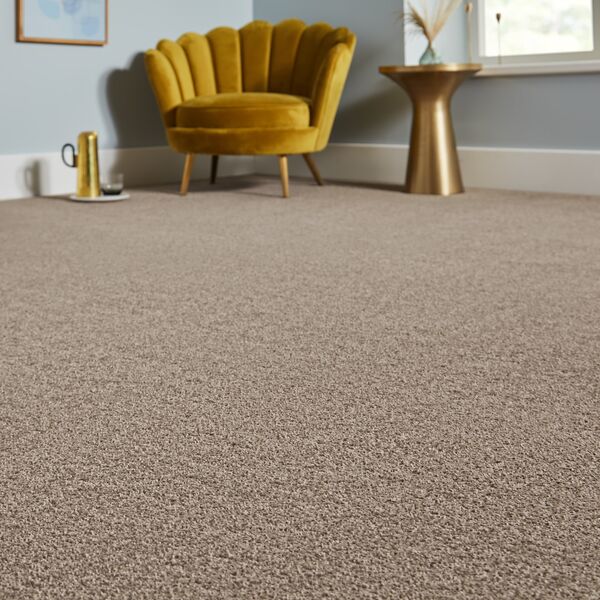
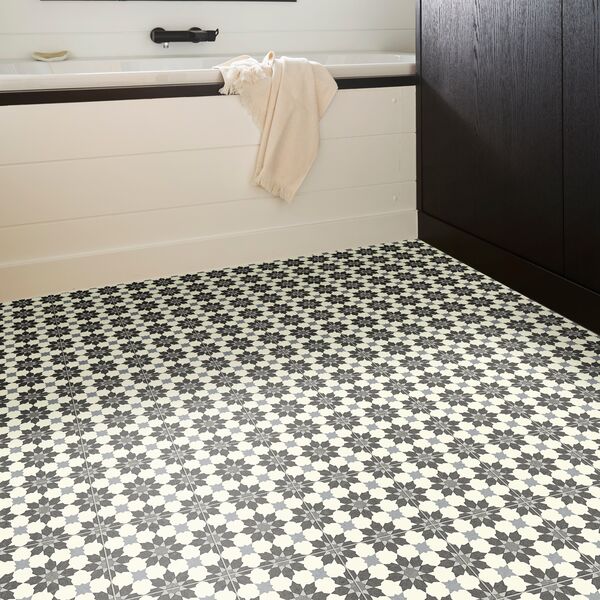
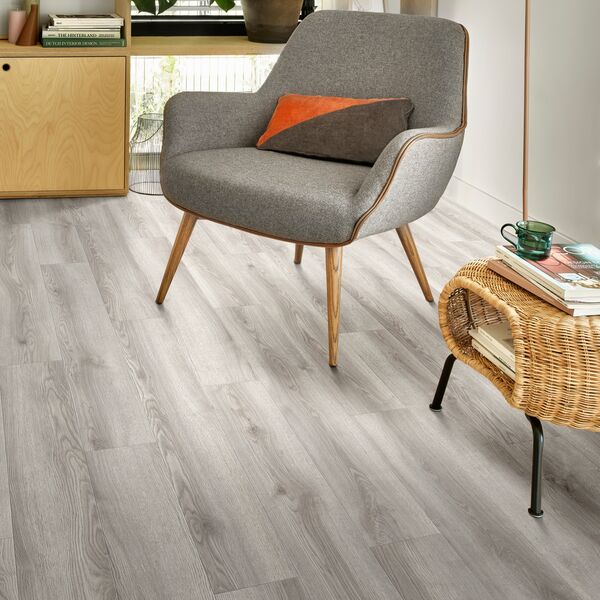
Make sure you budget for the things that are difficult or expensive to change later, such as structural work, electrics and plumbing, then tackle the cosmetic updates as time and budget allow. Budgeting for new flooring is part renovation, part decoration, but you'll want to make sure it's part of your main cost calculations.
Build contingency into both your budget and your timetable. There will almost always be unexpected costs or delays, so having a financial and time buffer makes the whole process far less stressful. The true cost of renovating a home is often more than you expect!
I'm very conscious that my children will be living through the renovation, so I'm planning the work carefully to keep disruption to a minimum. Where possible, I'll phase the project so we can still function as a family, and I'll be making practical choices that help us maintain some normality while the work is going on.
One of the best home renovation tips and tricks is to remember that your home doesn't have to be perfect on day one! A move is the start of a new chapter, not the finish line. Take your time, enjoy the process where you can, and create a home that evolves with you rather than trying to achieve perfection overnight. Ultimately, I'd say it's worth spending more time planning than rushing into decisions. The more you can think ahead at the beginning of a renovation, the smoother, less stressful and more cost-effective the whole project is likely to be.
One of the best decisions I've made early on is thinking about the house as a whole rather than making lots of separate decisions. Before choosing paint colours or furniture, I've been planning the big-ticket items that will make the home more comfortable, more efficient and cheaper to run in the long term.
For me, that means planning to install an air source heat pump, solar panels and underfloor heating as part of the renovation. They're a significant investment, but by factoring them in from the start I can make sure everything else is designed around them, rather than trying to retrofit them later.
Looking further ahead, I'm designing the house for the family we'll be in five or ten years' time, not just the one we are today. As my children get older, they'll want more independence, more privacy and somewhere to spend time with their friends, so I'm thinking about creating separate spaces where they can relax without taking over the whole house. Bathroom provision is another priority too, because anyone with teenagers knows that one bathroom is rarely enough!
Initially I was focused on how I wanted it to look, whereas now we’ve moved in, I'm thinking much more about how I wan it to feel and function. Every decision is being made with family life in mind, creating spaces where we can spend time together, giving the children room to grow and making the house work for us for years to come.
Thinking about your flooring and actually installing it are two completely different things. One of the biggest renovation mistakes people make is leaving flooring decisions until the very end, with 1 in 10* homeowners we surveyed admitting they regretting their flooring choice the most.
In my 1930s home, there are several different floor levels and a patchwork of old flooring from previous extensions, so deciding what flooring I'm having early has been essential. It affects everything from floor heights and door clearances to underfloor heating, skirting boards and the overall flow from room to room. It also influences paint colours, kitchen finishes, furniture and the overall feel of the house, so it's one of the decisions that really sets the tone for the entire renovation.
A Tapi home visit can really help when choosing your flooring. You get to see samples in your own space and in natural lighting so it’s easier to find the right colour carpet or hard flooring first time.
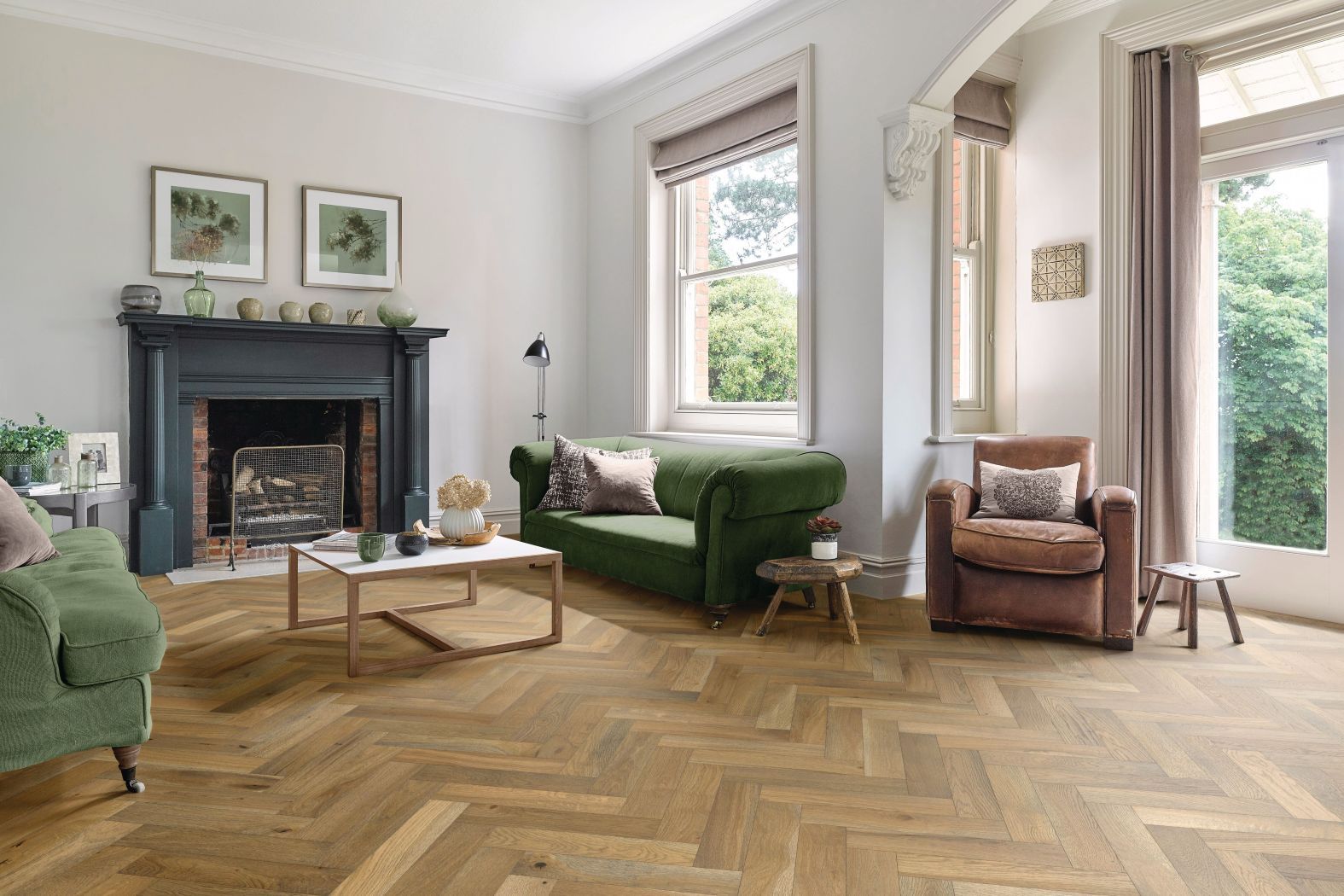
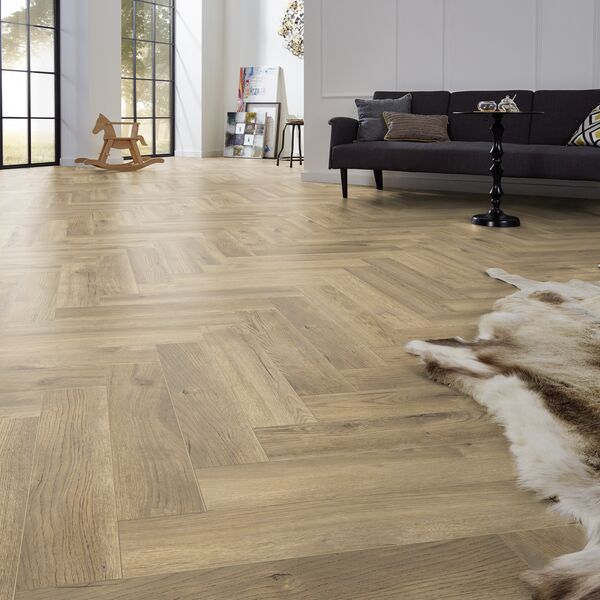
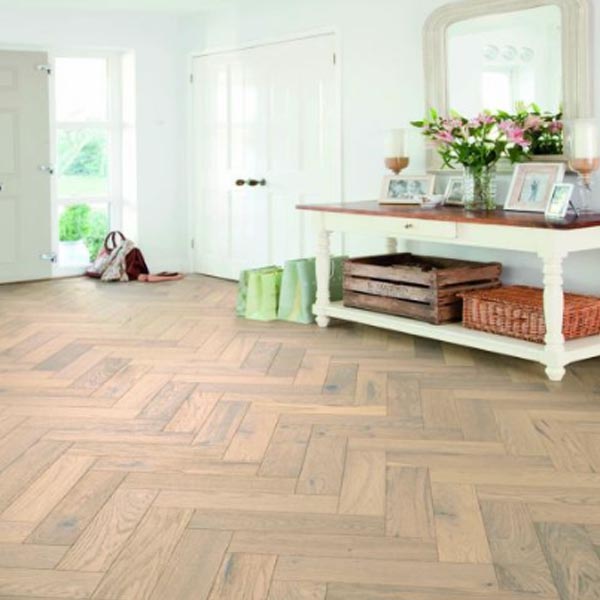
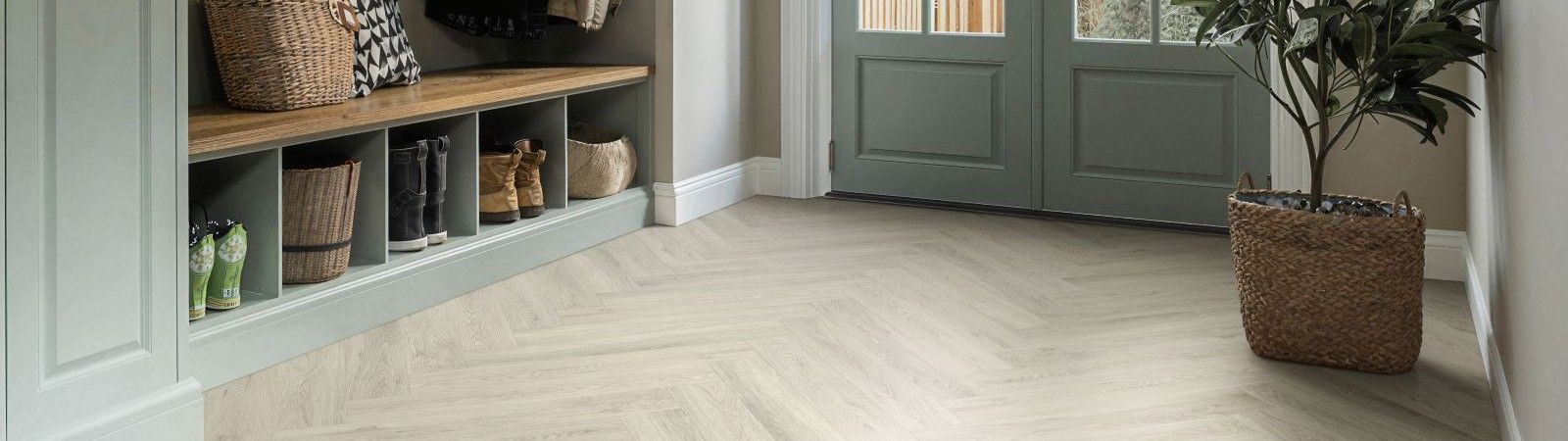
Being an interior designer, I know what finished look I want to achieve. But if you don’t have that visual mind or just want to see different colour options, using AI can be super helpful. I took a photo of my hallway and photos of my flooring and carpet samples from Tapi, and asked AI to recreate my hallway using the samples. I’ve chosen herringbone flooring – it’s a design I’ve never used before in any of my projects and seeing it brought to life with AI confirmed it was the one for me. It’s really reassuring to know that you’ve chosen the right one based on what it looks like, but a chat with a flooring expert at Tapi will help you make sure it’s the right one for your lifestyle and family.
Ready to renovate? Browse our huge collection of carpets and flooring and order some free samples to help plan the rest of your scheme. Once you’ve moved in, we can measure up (for free) to give you a rough idea of what to budget for flooring - or our carpet cost guide, laminate cost guide or vinyl cost guide will provide some answers. Our helpful floorologists can always be found at your local Tapi store if you’ve got a flooring question, or book a free home visit and we’ll come to you instead.
*Data Source: Homeowner Regrets Survey Analysis of 1,000 people, commissioned by Tapi in July 2026.

Published: 05-08-2026

Hold tight! We're getting your results

Did you know...
You can book a FREE home visit?