Find Samples
To add to your samples basket, simply navigate to a product you're interested in, select the colour you like and press the + icon on an empty sample slot.

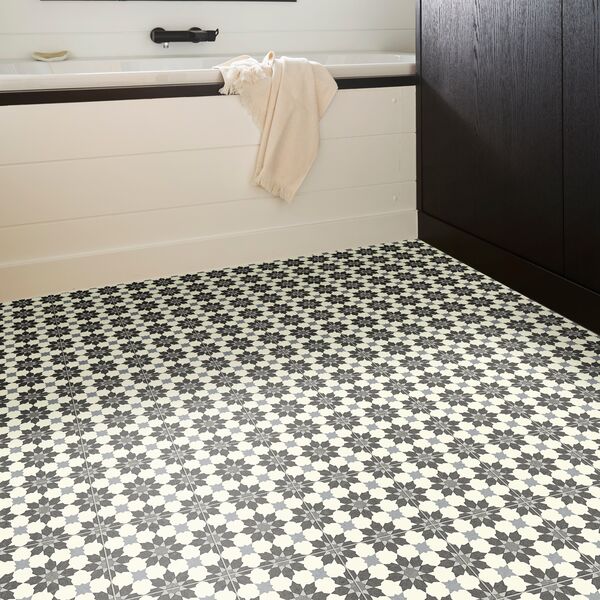
Luxury vinyl tiles are the latest innovation in modern flooring technology. Also known as LVT, this high-quality smooth flooring combines the realistic look and feel of a wooden or stone floor with the added practicality all busy homes need.
Thanks to their water, moisture and slip resistant properties, luxury vinyl tiles can offer both superior durability and an authentic wood finish. It’s why they’re such a popular alternative to traditional sheet vinyl, solid wood, engineered wood, and stone tile flooring in modern homes.
Learn all you need to know about luxury vinyl tiles with our ultimate guide, covering everything from the benefits of LVT flooring to different types of LVT.
In this guide:
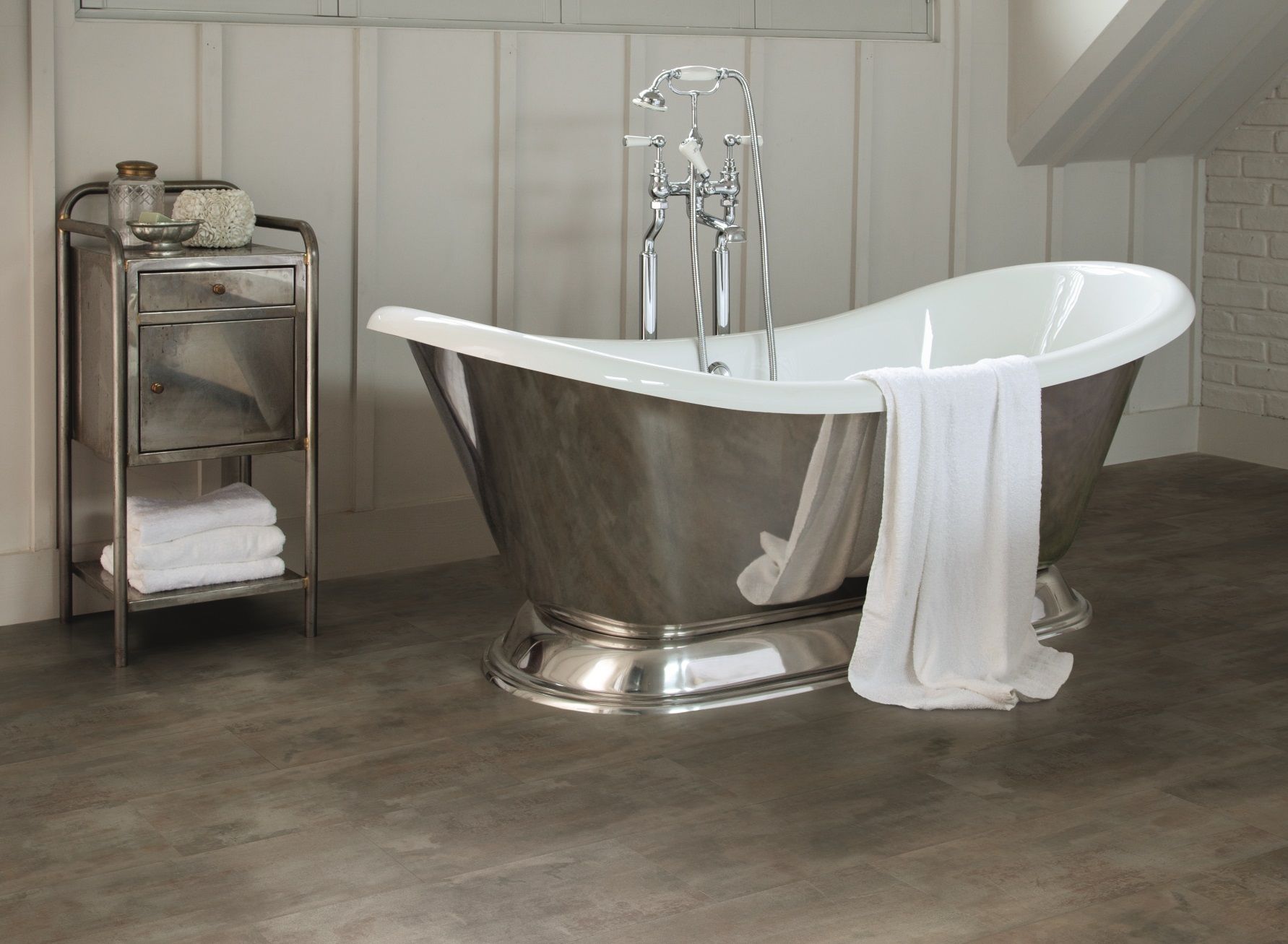
Luxury vinyl tiles (LVT) are a type of durable smooth flooring that imitate the appearance of stone tiles and wooden planks. Each luxury vinyl tile or plank is made up of many different layers, resulting in a smart and stylish floor with super strength, durability, and stain and water resistance.
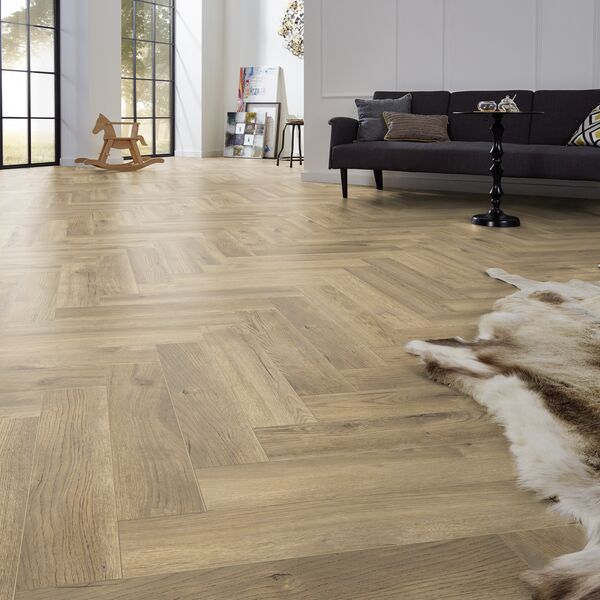
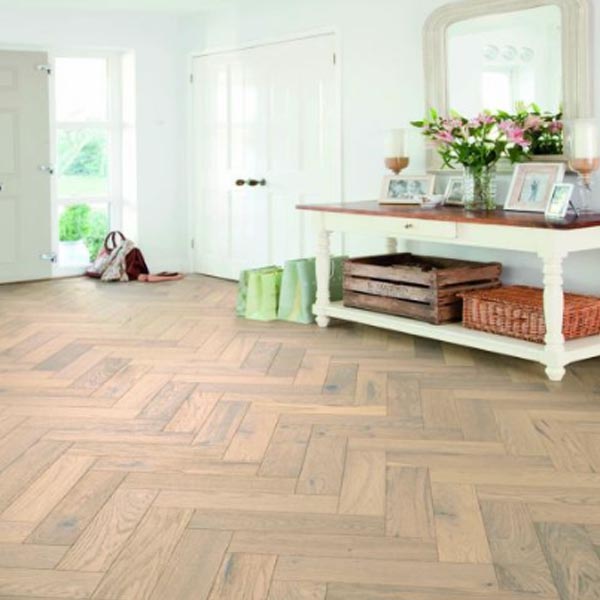
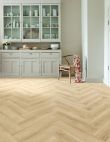
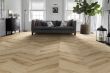
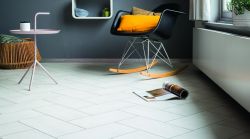
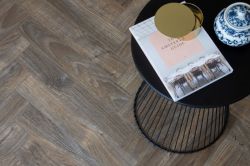
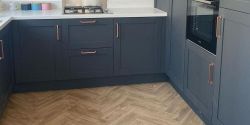
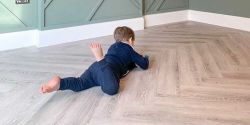
There are various different style options available with LVT flooring, meaning you can replicate timeless herringbone and parquet flooring designs with moisture resistant and insulating flooring planks. LVT lets you enjoy the glamour of classic flooring styles with the extra functionality of modern flooring options. You might have heard of luxury vinyl brand names like Karndean.
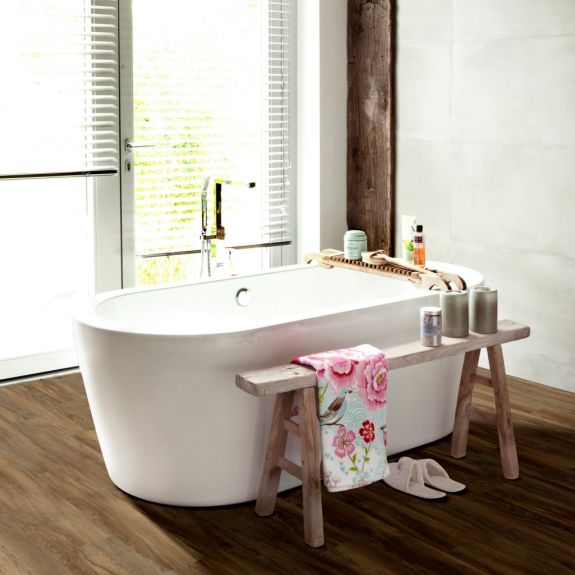
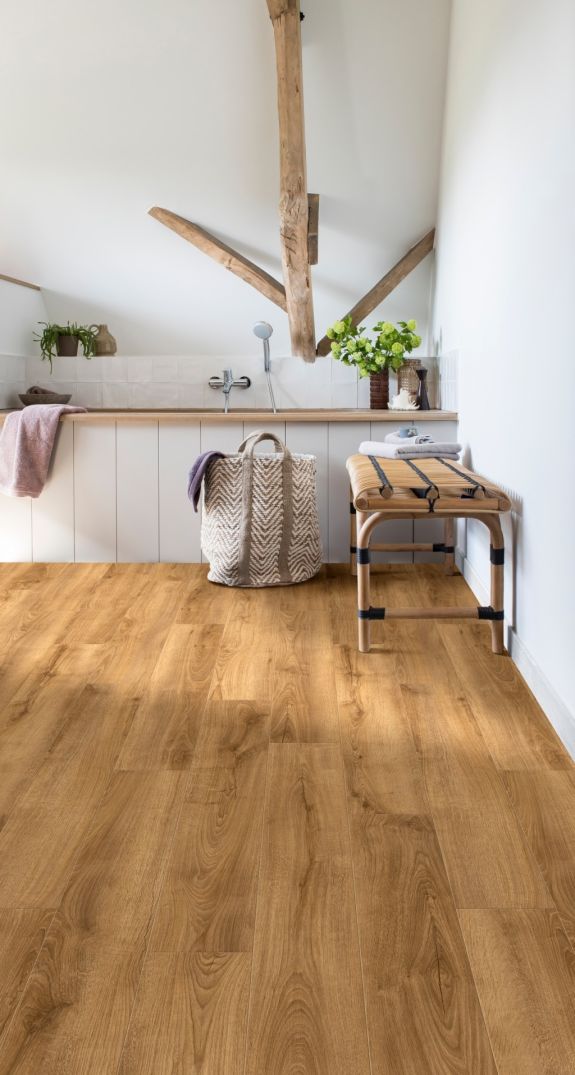
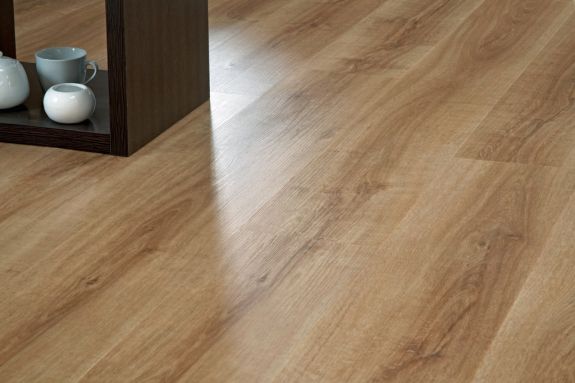
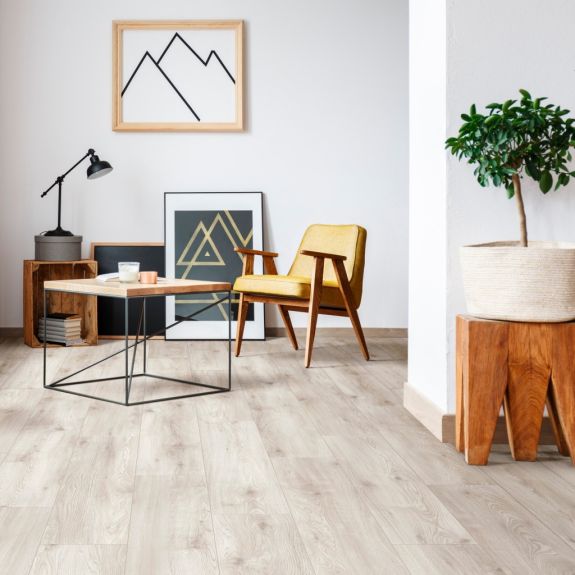
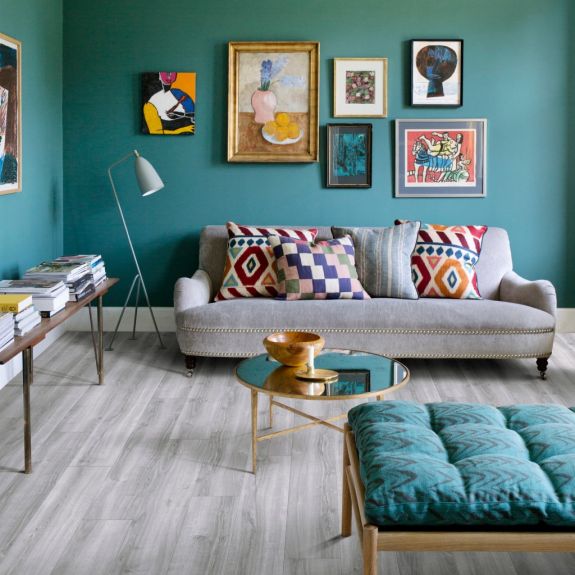
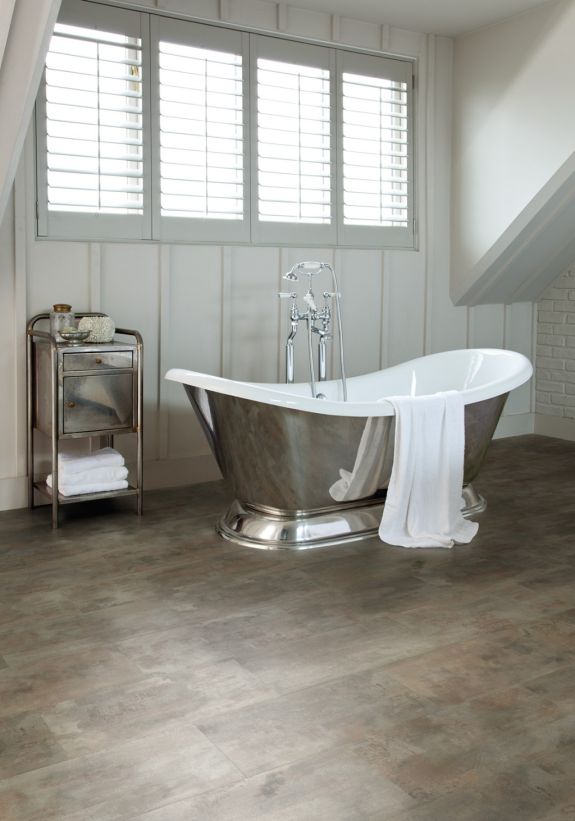
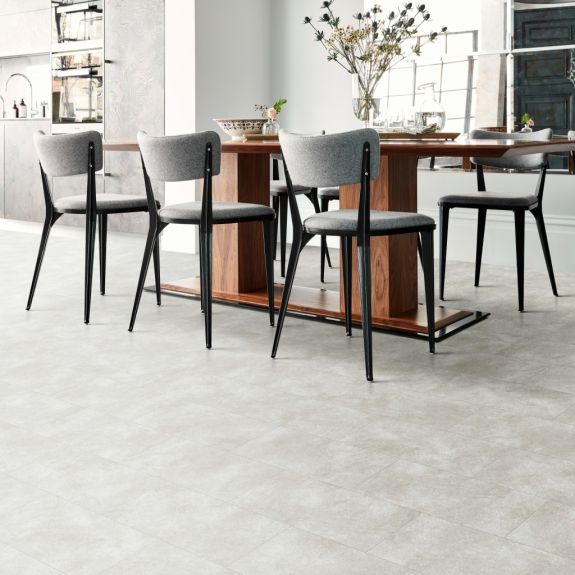
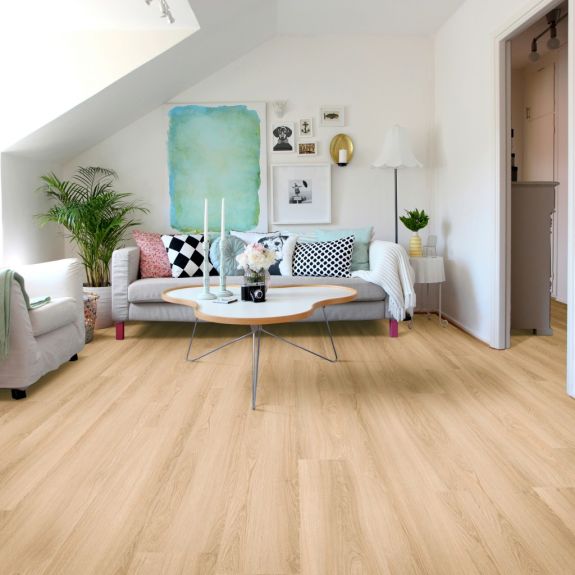
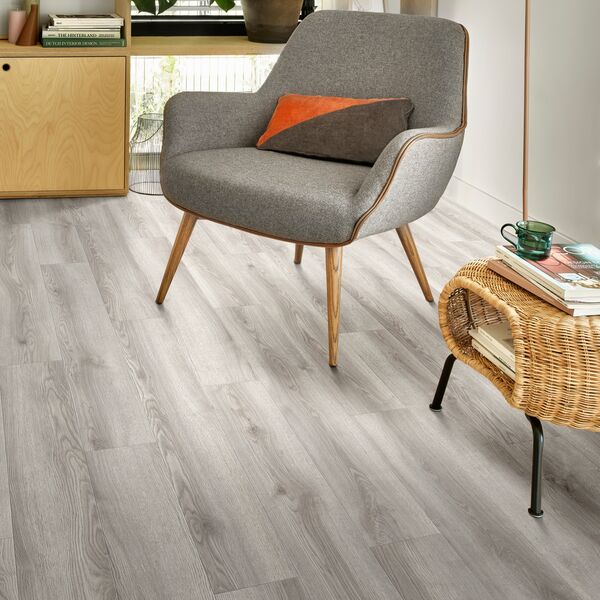
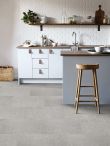
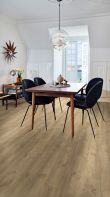
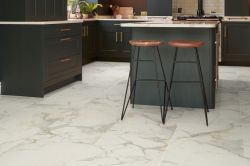
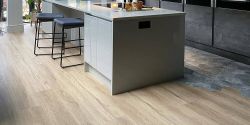
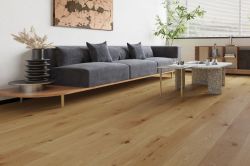
Whether you choose a natural oak, whitewashed wood, or slate design, even the most eagle-eyed visitors will struggle to spot the difference between LVT and a genuine wooden or stone floor! The main difference is the added warmth and softness underfoot, which is all thanks to how it’s made.
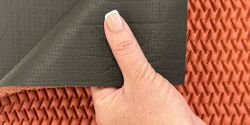
Much like traditional sheet vinyl, LVT is made up of multiple layers of PVC, all of which have an important role to play. The result is an incredibly sturdy plank or tile with the appearance of natural wood or stone that can be laid in any room in your home.
Luxury vinyl can come in either planks for a wood effect or tiles for a stone effect. Depending on the range, there can be anywhere from six to 18 planks in a box, and the width of a plank or tile varies on different designs.
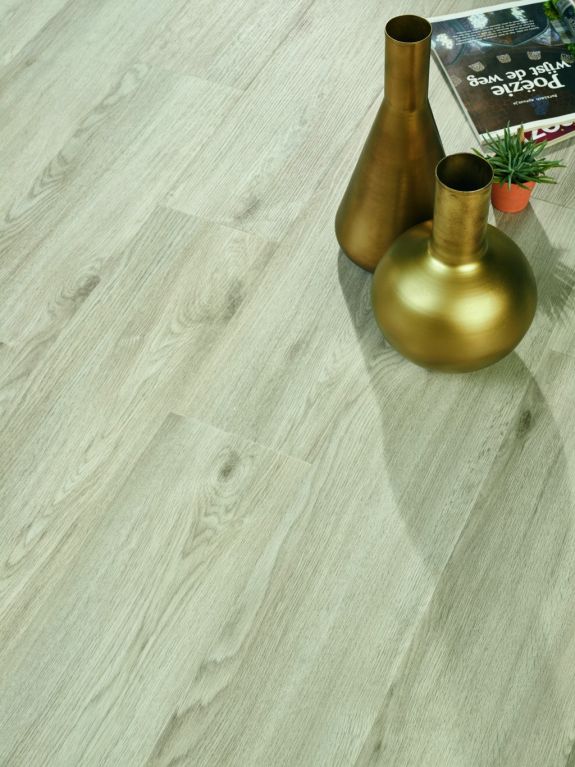
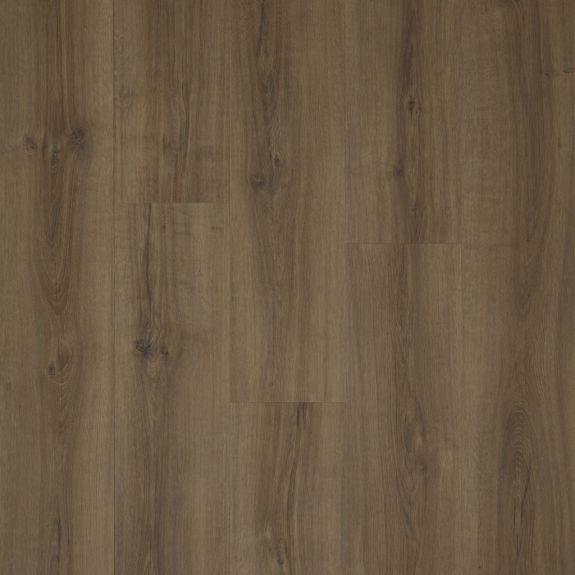
To create the realistic look of wood or stone, a large repetitive pattern is printed on the design layer. The pattern is moved slightly each time, so no two planks look the same, which creates a unique and authentic look.
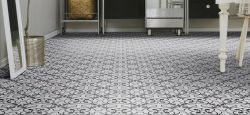
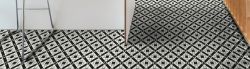
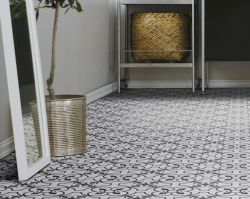
Luxury vinyl tile and plank designs can be made with surface texture too, featuring registered embossing that imitates the grooves and knots of the pattern. That way, it looks and feels like real wood or stone beneath your feet. From traditional oak effect wood vinyl flooring to modern black stone, there are options to suit every space.
There are various upsides to choosing luxury vinyl for your home – it’s one of the most advanced flooring options out there! We’ve broken down the key benefits of LVT flooring to compare below:
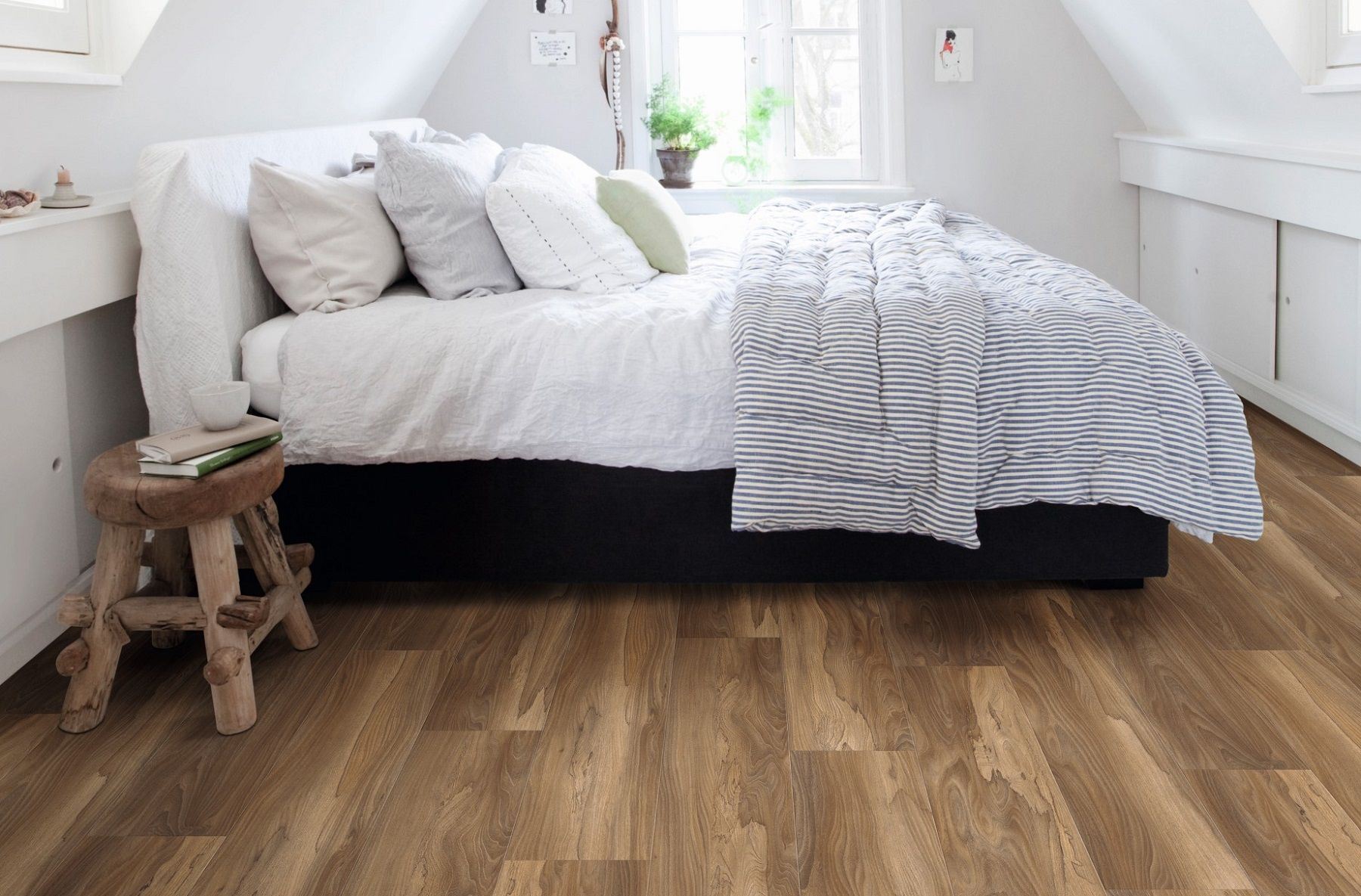
When selecting the best LVT flooring for your home, it’s a good idea to do your research first. There are two main types of luxury vinyl: click and dryback. And as with everything, both types of LVT have their pros and cons.
Click LVT is what’s known as a floating floor and simply clicks into place like a jigsaw puzzle, rather than being adhered or nailed to the subfloor. Similar to laminate flooring installation, click vinyl flooring is rigid and incredibly easy to fit, even if you’re a DIY novice!
And because it’s so simple to remove, it’s also the perfect solution if you’re thinking of moving home or changing the room it’s in. It’s often thicker than dryback LVT and has extra cushioning from the underlay. In fact, most modern styles of click LVT come with underlay built-in.
Dryback LVT (also known as glue or stick down) requires an adhesive to bond the flooring directly with the subfloor. The planks are thinner and therefore more pliable, so gluing them down gives the floor more stability, making dryback LVT better for bigger rooms and areas of high traffic. However, dryback luxury vinyl can be difficult to install and remove. Plus, it requires a completely smooth subfloor, so you’d need to call a professional fitter.
However, one of the key benefits of LVT flooring with a dryback application method is that if one plank gets severely scratched or damaged, you’ll only need to extract and replace the single plank. With click LVT flooring, you’ll often need to remove all the planks before it, starting from the far edge, as they’re all connected by the click system.
Still not sure whether to choose dryback or click LVT? Pop into your nearest Tapi store and one of our floorologists can help you decide which of our two types of luxury vinyl is best for you.
So, you’ve found the best LVT flooring for your style, but now you need to figure out which rooms to fit it in. Luxury vinyl can be installed in pretty much every room of your home. But the best LVT flooring for your space will depend on factors such as the overall style of your home and whether you prefer flooring that you can install yourself.
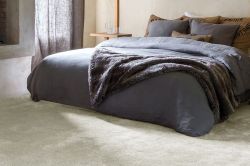
LVT is sturdy, durable, and warm, so it’s ideal for high-traffic zones and areas with heavy furniture, such as:
It’s also more cost-effective than real wood flooring, as well as being much softer, which can make it feel pleasant under bare feet. If you’re thinking of transforming your space with a modern tile effect, discover our guide to how to style tiled flooring in your living room for inspiration.
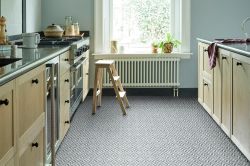
Luxury vinyl has amazing water resistant properties. We have a wide selection of luxury vinyl options which are specially designed for areas that see a lot of moisture and cleaning up, such as:

Different types of LVT require different installation methods, and some are easier to DIY than others. Click vinyl uses a tongue and groove system that clicks into place, while dryback LVT needs to be adhered to the subfloor. For more information on how to lay vinyl flooring, head on over to our handy guide.
Whilst you can choose to fit click flooring yourself, we’d always recommend professional fitting for dryback vinyl flooring. Once it’s stuck down, there’s no going back, so it’s best to bring in an expert. Whether it’s for dryback or click LVT, we can arrange professional fitting for you when you place an order – just ask your friendly Tapi floorologist for details in-store.
The cost of LVT installation can depend on the cost of the luxury vinyl option you choose, the size of the space, and the installation method. For example, it will cost more to install LVT with a herringbone or chevron design than with a traditional straight plank design.
Luxury vinyl can be one of the more expensive smooth flooring options, but thanks to its durability, it’s a long-term investment. If you compare it to a real wooden floor, which requires extra maintenance to keep it looking good, there are no extra costs involved for luxury vinyl aftercare. Learn more about how much vinyl and LVT flooring costs in our complete guide.
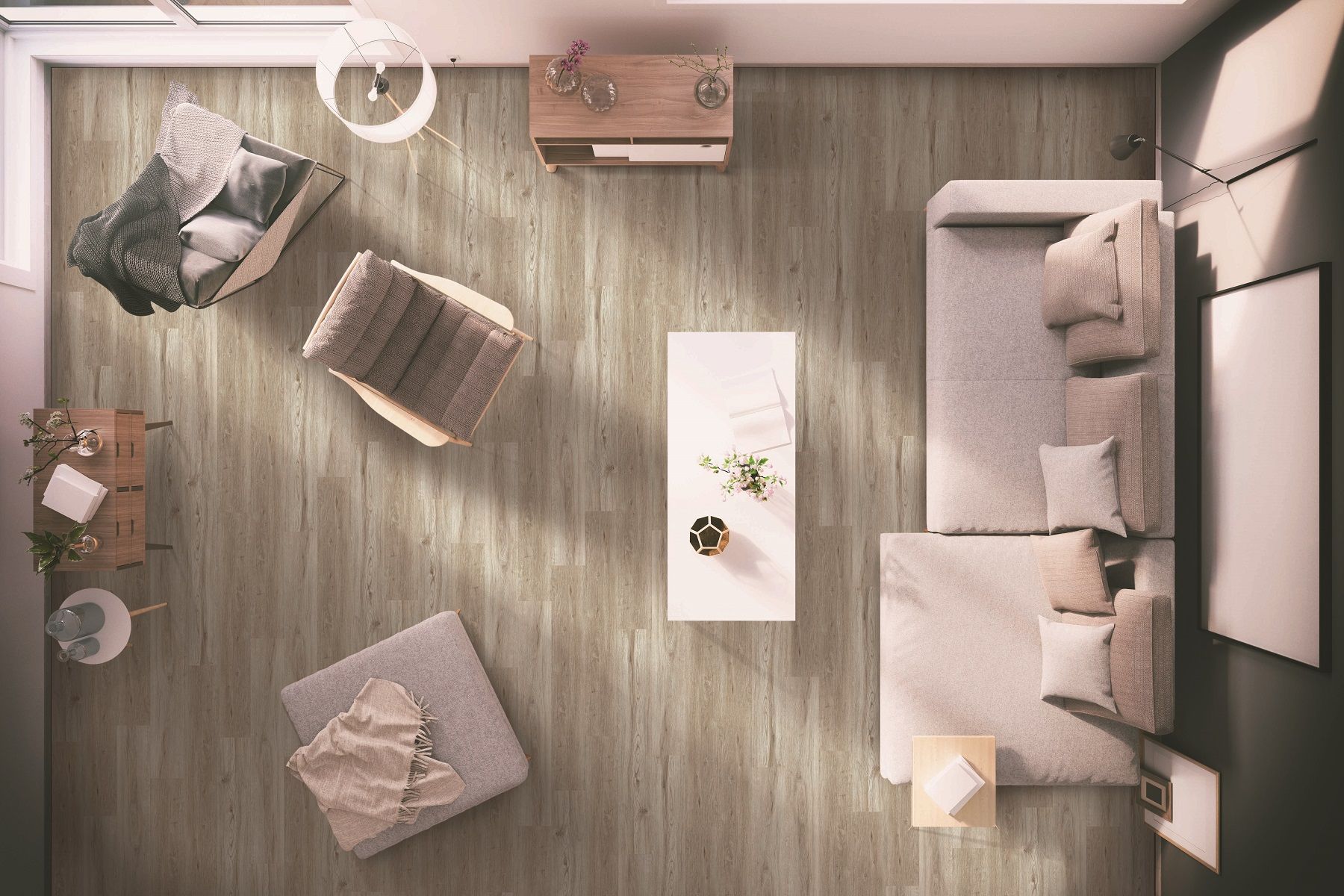
The clue is in the name! Luxury vinyl has taken the practical benefits of vinyl and combined it with the aesthetic detail of real wood or natural stone to make it even better. There are a few key differences between vinyl and luxury vinyl:
The extra benefits that luxury vinyl offers can come at a higher price, so you need to weigh up the pros and cons of vinyl versus luxury vinyl and decide which one is best for you.
If you’re thinking that luxury vinyl might be the option for you, there’s no better way to decide than to see and feel it for yourself. Order free flooring samples directly to your door, or chat with our Tapi floorologists when you visit your nearest Tapi store. We’re happy to help you to decide which flooring options are the right choice for your home.
For more flooring inspiration and advice, head on over to our Ideas Hub, where you can discover our luxury vinyl tile care guide and other flooring lookbooks.

Published: 31-03-2025





-250.jpg)
 copy-250.jpg)



-250.jpg)
 - Article Image (not header)-250.jpg)

-250.jpg)